Jakarta, March 2026 - SEA-PLM convened a panel of representatives from participating countries at the Learning for the Future: ASEAN-UK SAGE Evidence and Insights Forum, held in Jakarta on 20 March, demonstrating Initiative 2 in action by translating data into concrete actions to strengthen systems and improve learning outcomes for all children.
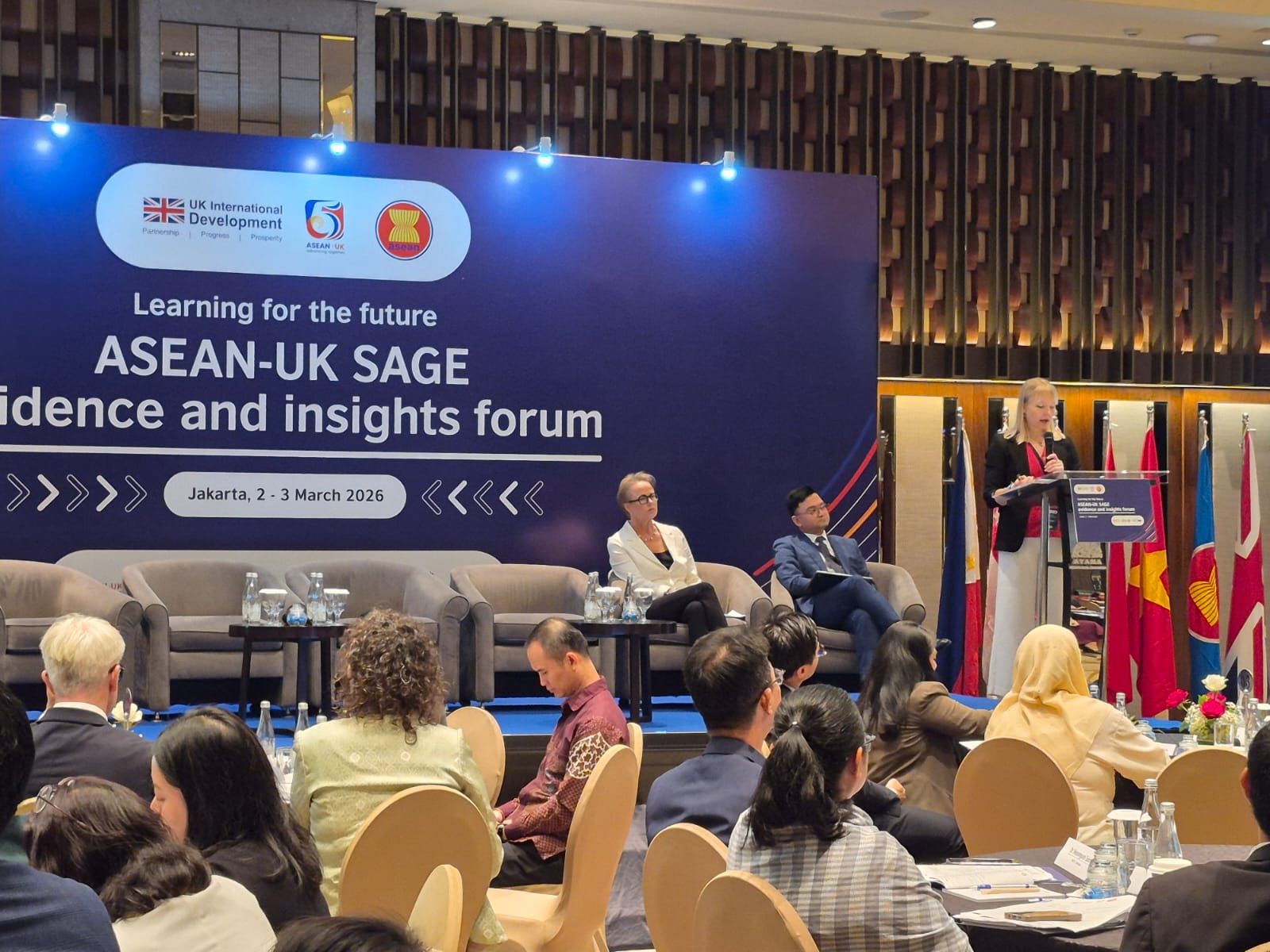
SEA-PLM was featured as part of the Learning for the Future: ASEAN-UK SAGE Evidence and Insights Forum, held in Jakarta on 2–3 March 2026. The forum brought together policymakers, development partners, and education stakeholders to reflect on the future of learning in Southeast Asia and the role of evidence in shaping stronger education systems.
Throughout the forum, SEA-PLM contributed to the discussion not only as a source of regional learning data, but as a platform that supports countries in translating evidence into policy and practice. Its presence was reflected in both the policy discussions and the gallery walk, including a feature on the SEA-PLM Gender Report, the first regional secondary analysis research using the 2024 datasets.
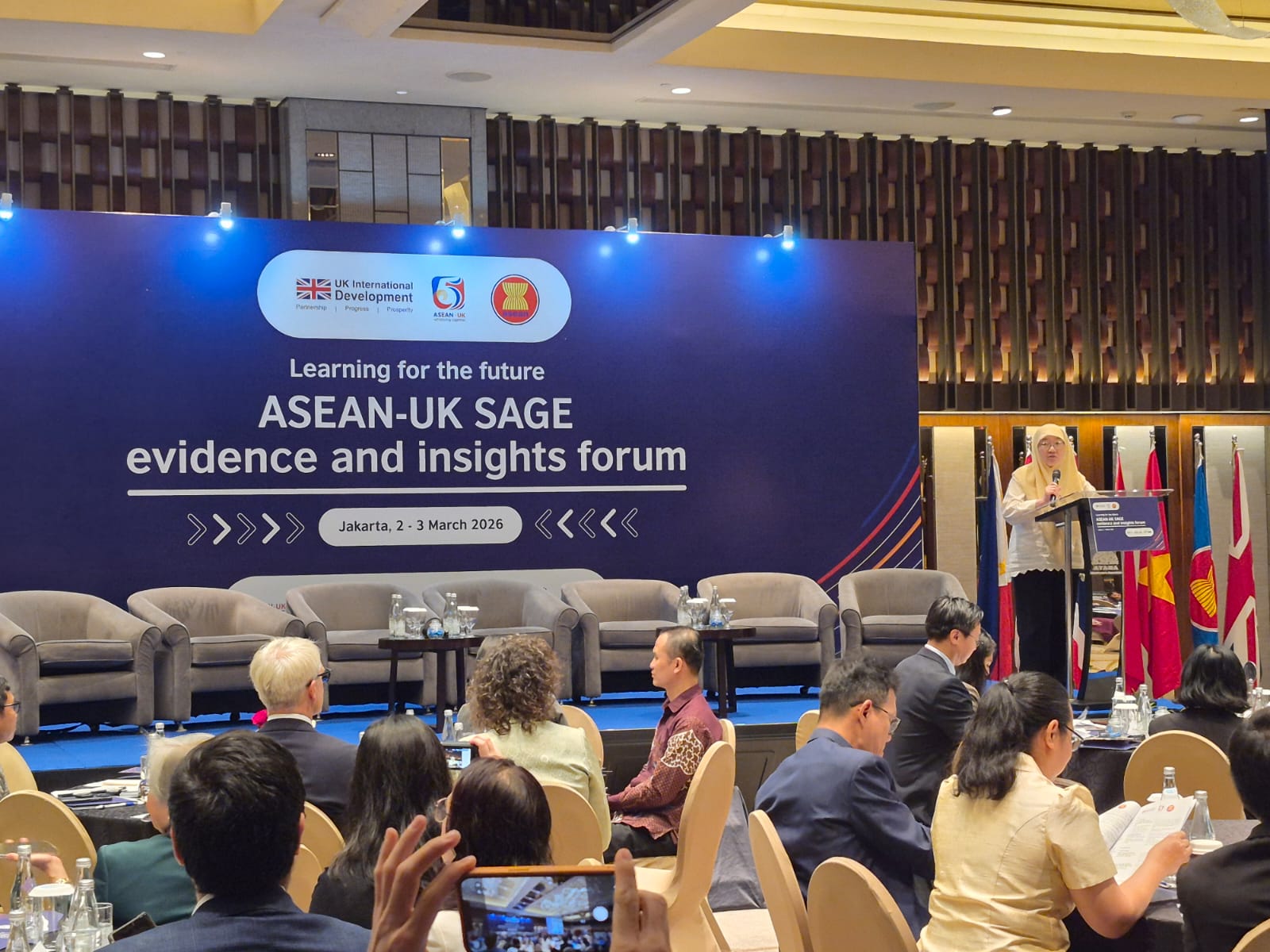
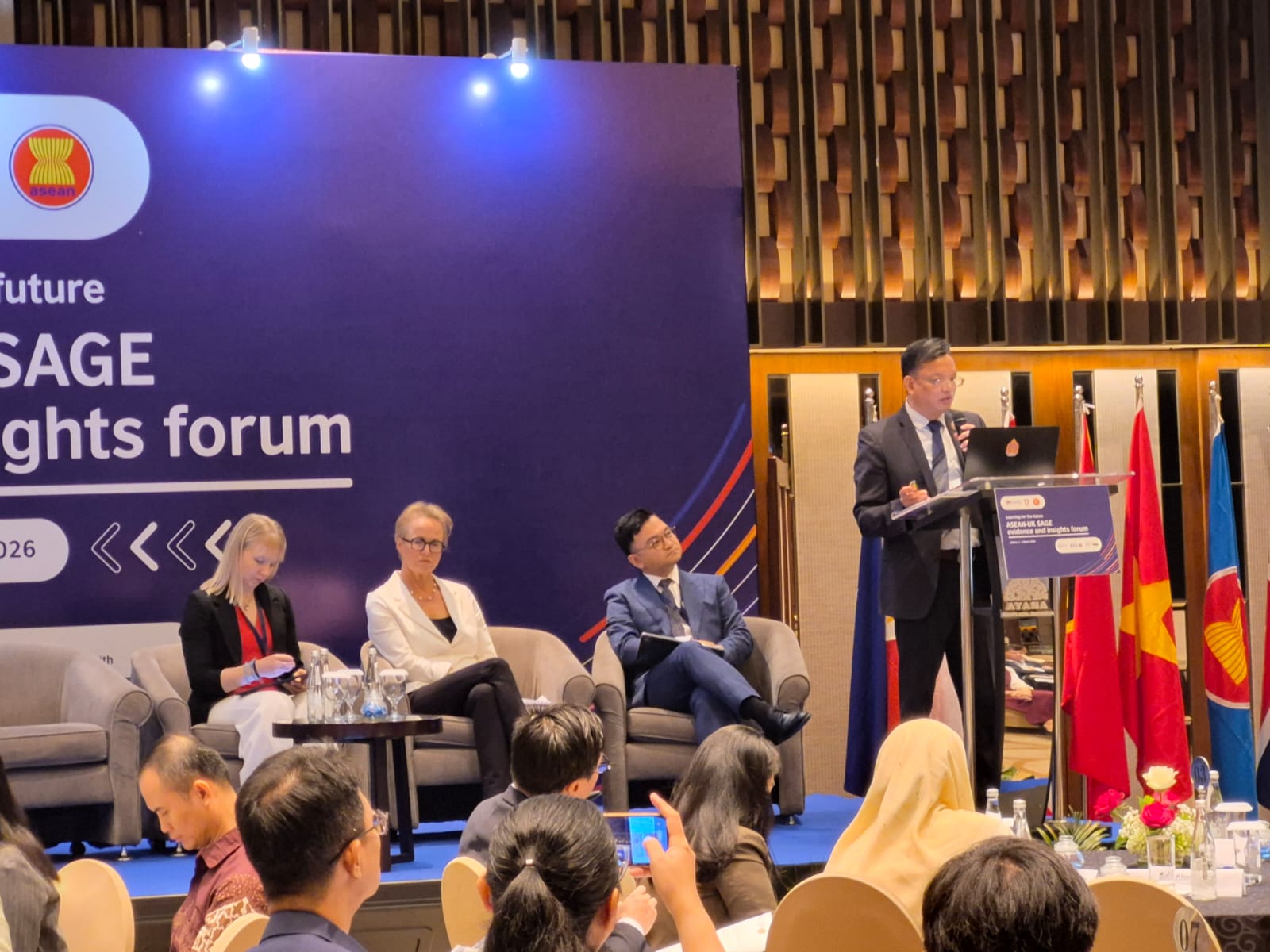
Datuk Dr Habibah Abdul Rahim from SEAMEO Secretariat, gave a remark during ASEAN-UK SAGE evidence and insights forum
In her opening remarks, Datuk Dr Habibah Abdul Rahim, Director of the Southeast Asian Ministers of Education Organization (SEAMEO) Secretariat, underscored the urgency of the moment. She noted that while Southeast Asia continues to grow economically and strengthen its global role, many children are still being left behind in education.
Drawing on recent regional evidence, she highlighted that SEA-PLM 2024 shows that one in two Grade 5 students in Southeast Asia is still not reading at the expected level. She also pointed to the wider challenge facing the region, with millions of children and youth still out of school. Her remarks served as a strong reminder that growth must be matched by real progress in learning and inclusion.
Datuk Dr Habibah also emphasized the value of SEA-PLM as a regional mechanism for monitoring progress towards Sustainable Development Goal 4. She noted that the findings from SEA-PLM 2024 point to continued learning challenges across the region, with reading outcomes remaining largely stagnant since 2019 and only a slight improvement seen in mathematics.
At the same time, she stressed that the results must be understood beyond averages. Learning continues to be shaped by factors such as socioeconomic background, language spoken at home, access to preschool, and the availability of textbooks and other learning materials. These patterns make clear that education inequality remains a central issue in the region.
The forum created space to move from evidence to action. Discussions explored how SEA-PLM findings are informing national responses and helping countries identify where support is most needed. Country experiences and technical sessions showed how data can support decisions on teaching, learning recovery, inclusion, and system improvement.
 |
|
|
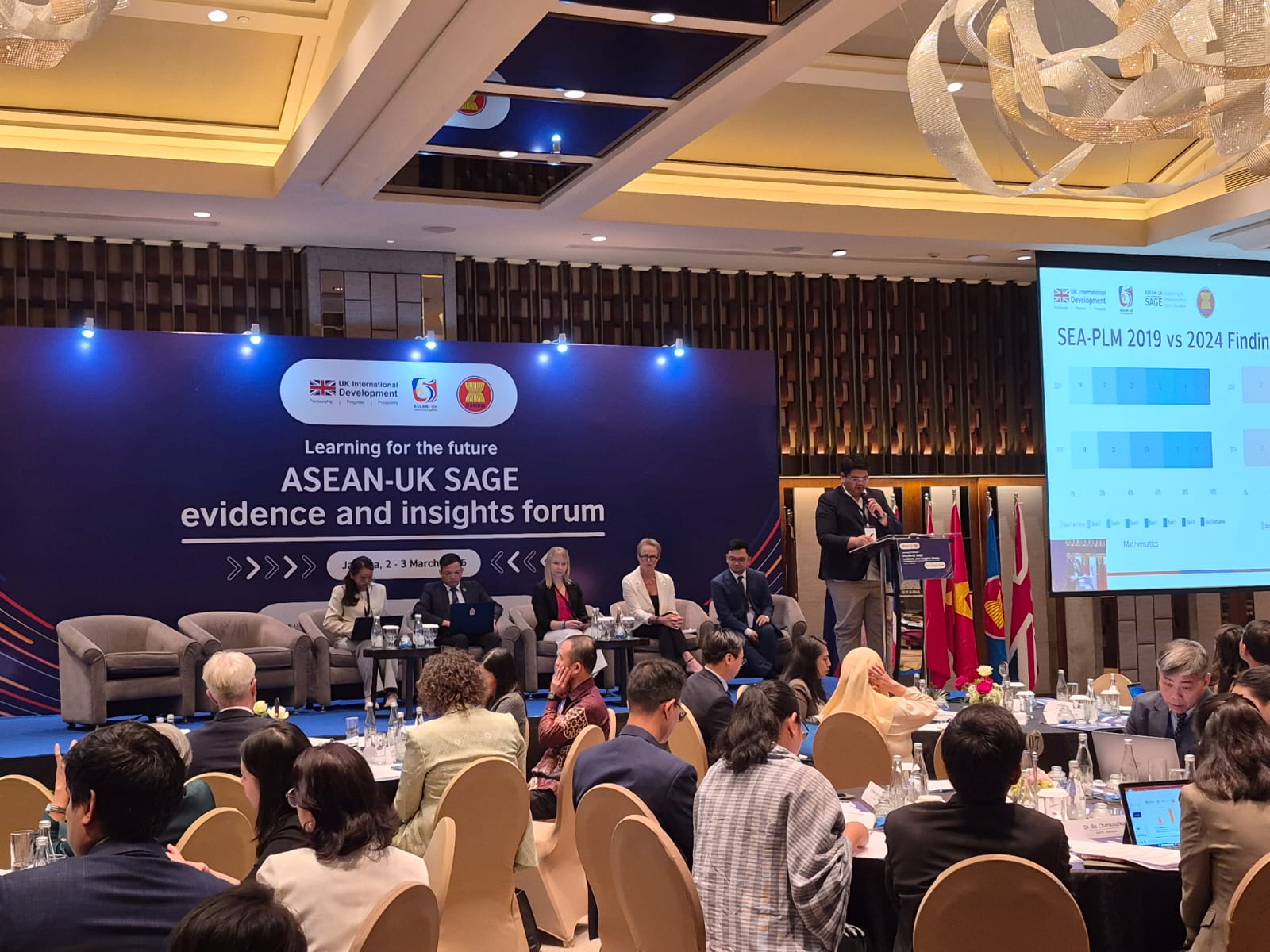
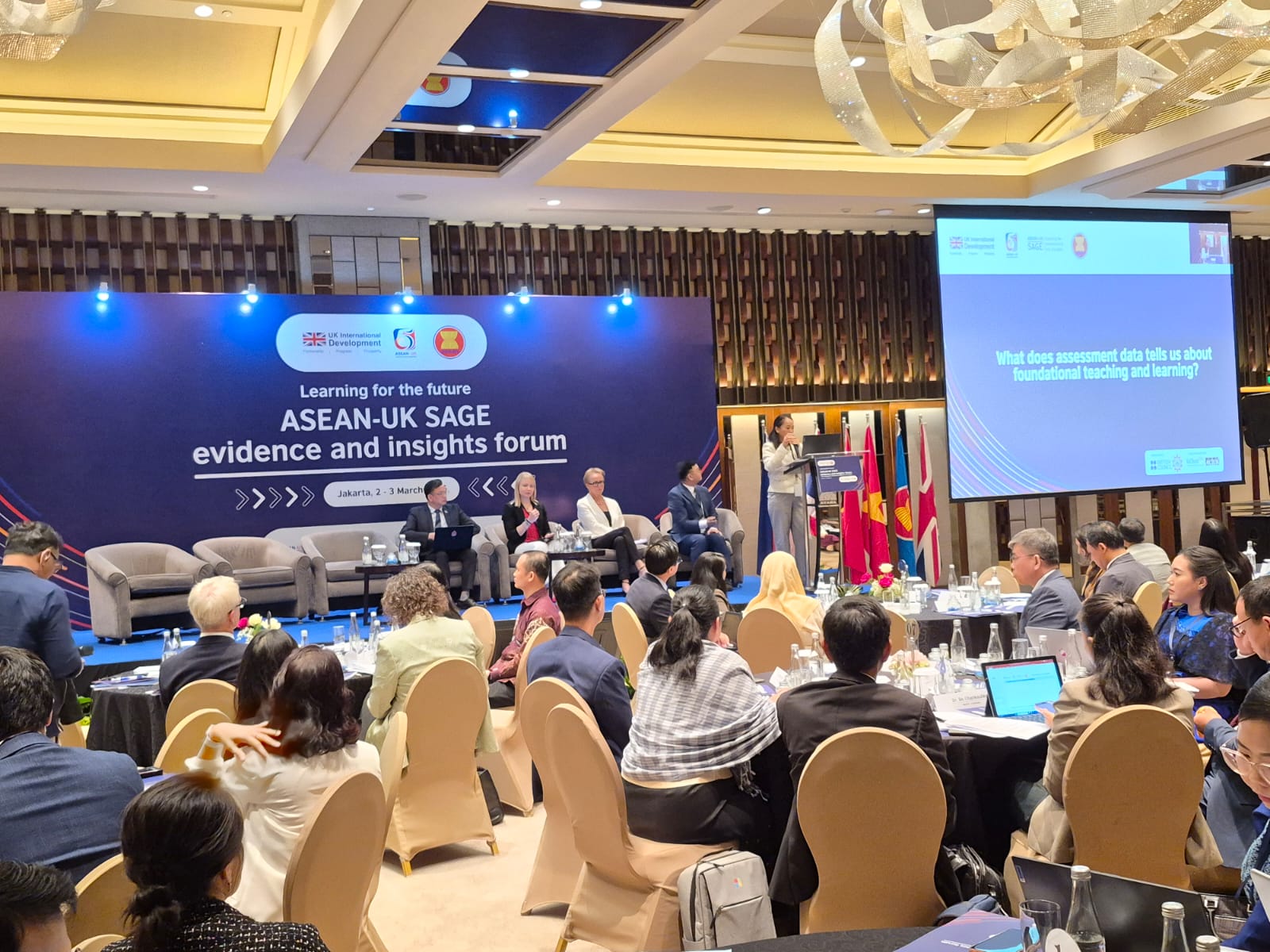
Mr Sar Sarin from Cambodia, Dr Kevin Carl P. Santos from the Philippines, and Ms Sitthattha Taikeophithoun from Lao PDR presented their respective countries' experiences in transforming SEA-PLM data into actions
The forum also created space to move from evidence to action. A key part of the discussion featured representatives from Ministries of Education who shared their country experiences in translating SEA-PLM data into policies and actions. Mr Sar Sarin from Cambodia, Dr Kevin Carl P. Santos from the Philippines, and Ms Sitthattha Taikeophithoun from Lao PDR reflected on how SEA-PLM findings have helped inform national responses and shape education priorities in their respective contexts.
Their participation added an important practical dimension to the forum. It showed that regional assessment data become most meaningful when it is used by countries to guide decisions, respond to persistent learning gaps, and strengthen reforms that are grounded in evidence.
 |
 |
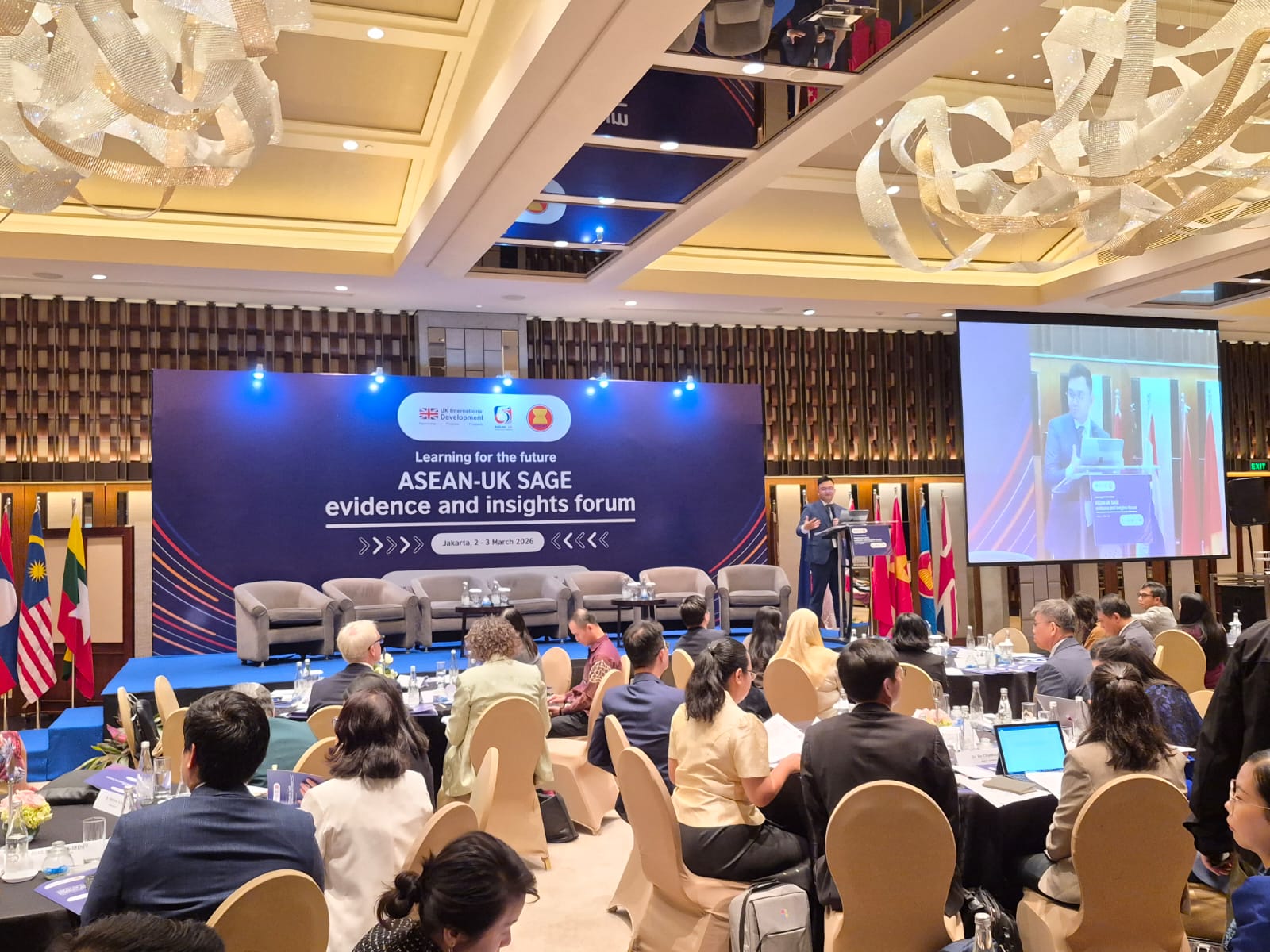
Mr Alejandro Sinon Ibañez, and Ms Linda Johnsson from the SEA-PLM Regional Secretariat presented the SEA-PLM 2024 regional results and key policy insights.
Mr Alejandro Sinon Ibañez, SEA-PLM Programme Manager, reinforced this point by highlighting the importance of connecting evidence with long-term reform. He emphasized that SEA-PLM continues to prepare for the transition from the 2024 cycle towards the next phase ,SEA-PLM 2029, allowing countries to track progress over time and respond with greater clarity.
He also stressed that the value of SEA-PLM lies not only in generating data, but in strengthening countries’ capacity to use it. This includes deepening policy exchange, technical mentoring, and collaboration across the region so that evidence can meaningfully inform targets, programme design, and reform priorities.
This forward-looking role is becoming increasingly important. More than a regional assessment, SEA-PLM continues to grow as a shared platform for cooperation, learning, and evidence-based policymaking among ASEAN Member States.
SEA-PLM’s contribution to the ASEAN-UK SAGE forum reflected that wider purpose. It showed that regional evidence can do more than describe learning outcomes. It can help countries ask better questions, identify persistent gaps, and shape more responsive education policies for the future. As the region looks ahead, the discussion in Jakarta offered a timely reminder: strong evidence matters because it helps ensure that progress in education is not only measured, but acted on.
–
SEA-PLM is supported by the UK Mission to ASEAN under the ASEAN-UK Supporting the Advancement of Girls’s Education (SAGE) Programme. Its content is the sole responsibility of the SEA-PLM Regional Secretariat and does not necessarily reflect the views of ASEAN-UK SAGE.

|
|
|
|
|
|
|
|