NEWS
This is your main NEWS category. Note that Joomla has another NEWS category built in. This one is for the plug-in called K2.
From Data to Action: How Countries are Translating Evidence into Meaningful Education Reform
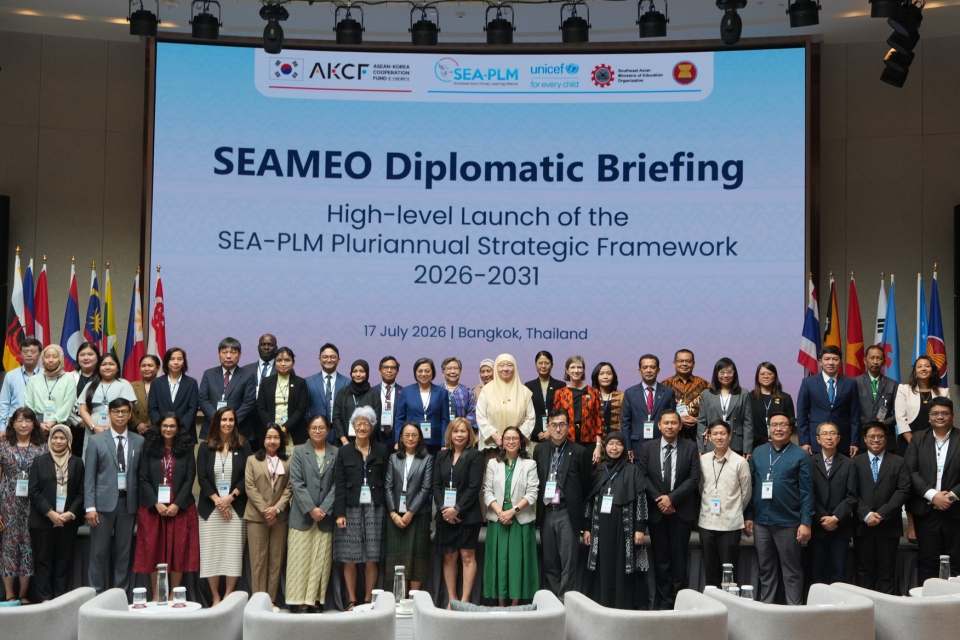
Bangkok, July 2026 - Southeast Asian education leaders are using SEA-PLM 2024 evidence to make data-driven decisions about foundational learning: where to focus support, how to strengthen teaching, and how to track whether reforms improve children’s skills. At the SEAMEO Diplomatic Briefing in Bangkok on 17 July 2026, representatives of six countries described both the priorities the results have brought into focus and the policies they are pursuing. The common challenge is to turn assessment findings into decisions that reach classrooms. Countries are using the evidence to identify learners and schools needing additional support, examine how curricula and teacher development work in practice, and monitor progress over time. Their approaches differ, but each points to a concrete policy use for better learning outcomes.
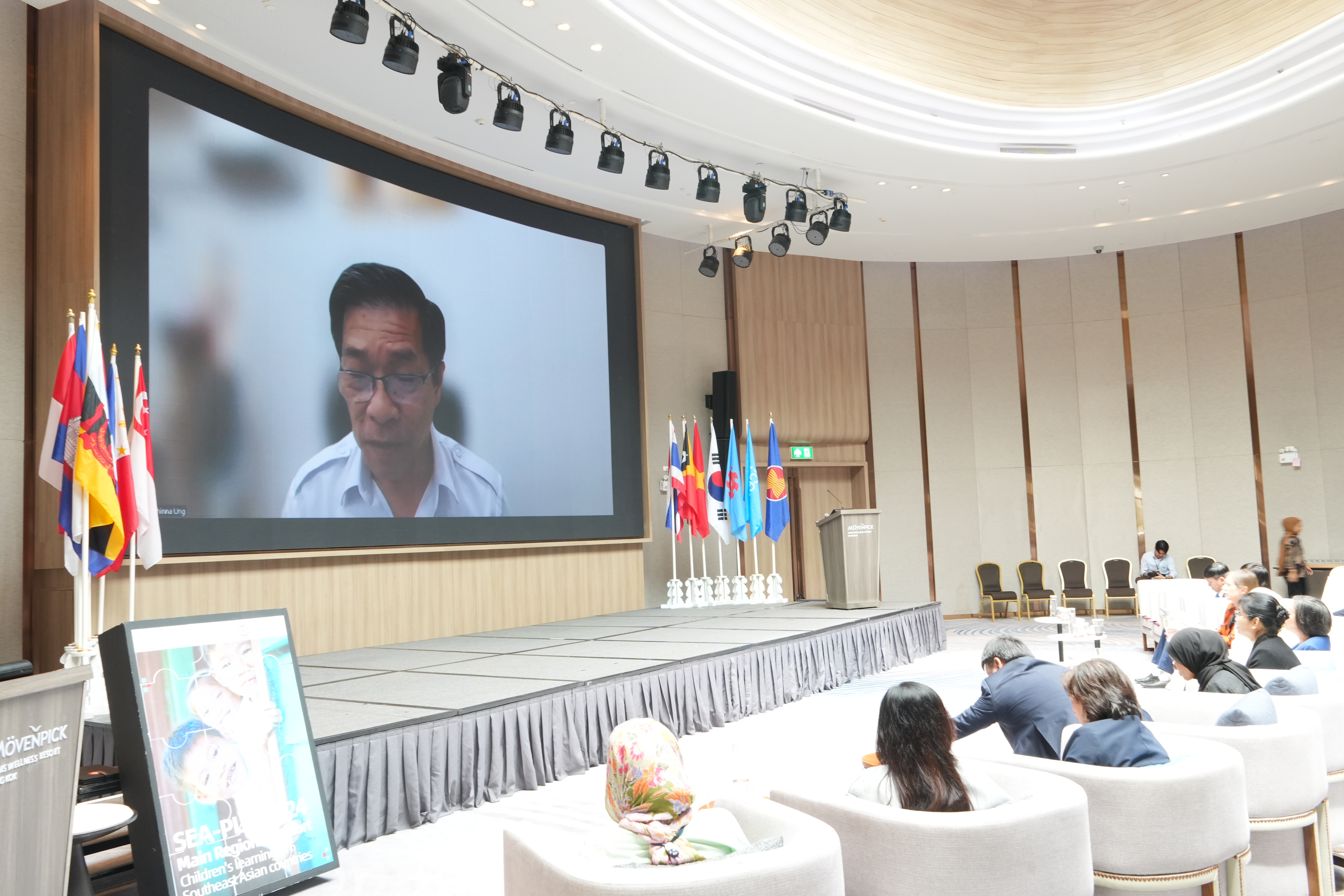 |
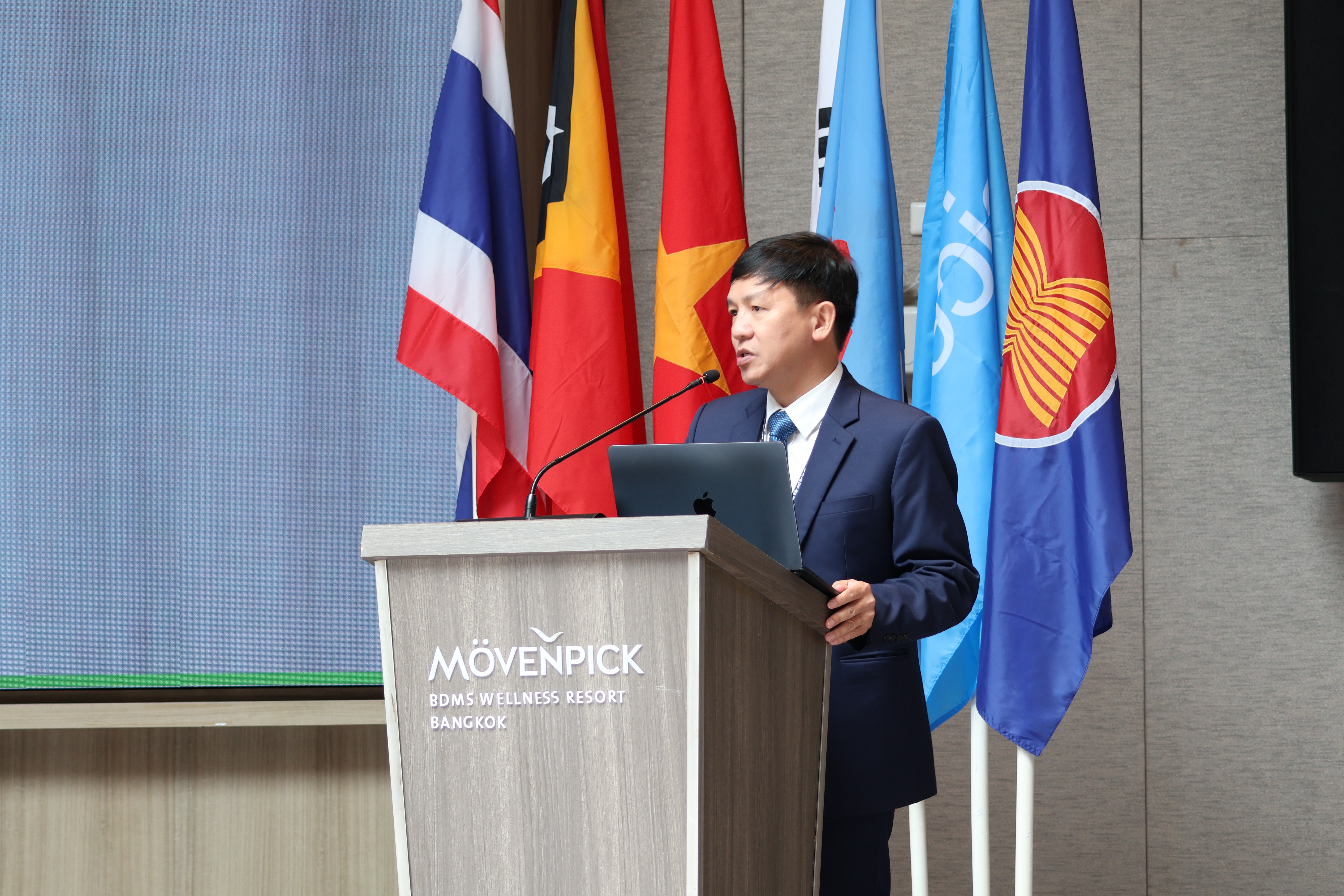
In Cambodia, Mr Ung Chinna, Director General of the Directorate General of Education, said the SEA-PLM 2024 findings will help strengthen early-grade reading and mathematics, improve curriculum implementation and teaching, and direct support to underachieving students and schools. He also highlighted the value of stronger national assessment capacity and peer learning exchange with other countries. |
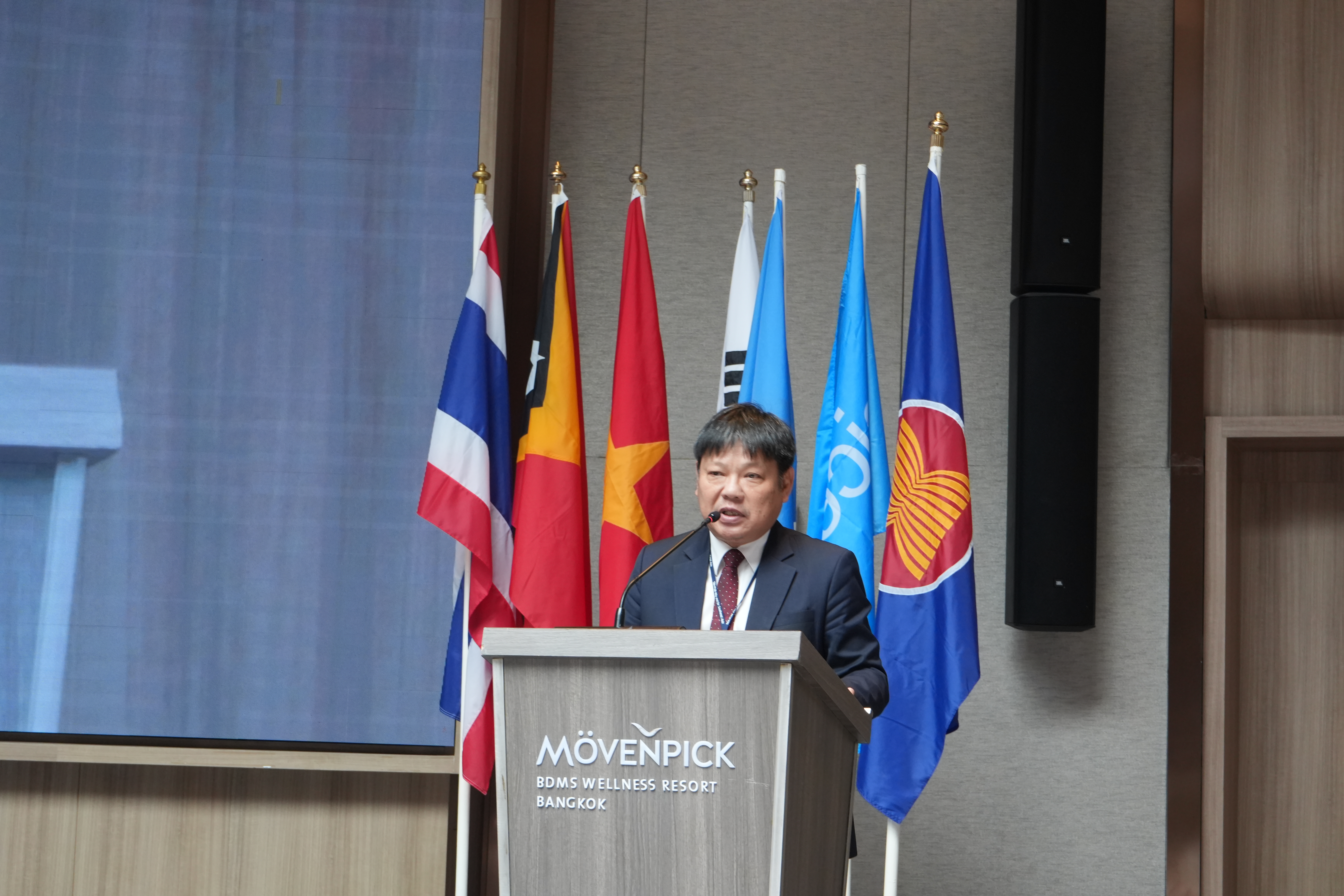 |
Lao PDR is connecting learning evidence with changes to teacher preparation and instructional time. Mr Panya Chanthavong, Director General of the Department of Education Quality Assurance, described the consolidation of eight teacher colleges and four university faculties of education into a National University of Teacher Education, continued professional development, and the expansion of primary education from five to six years. SEA-PLM complements national monitoring and can help assess whether these reforms translate into stronger learning. |
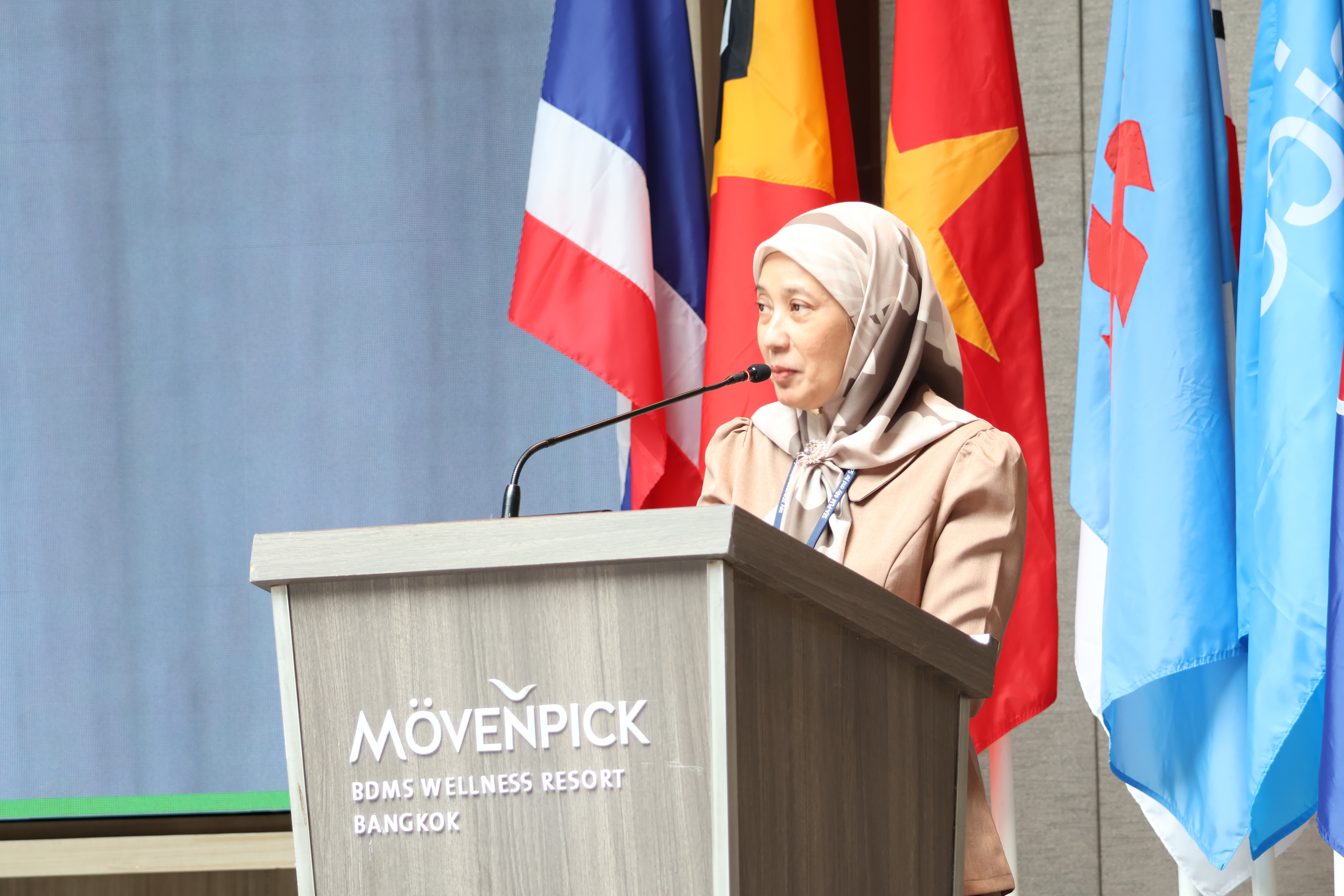 |
In Malaysia, SEA-PLM 2024 has informed the priority given to foundational learning in the Malaysia Education Blueprint 2026–2035, according to Dr Nor Saidatul Rajeah Binti Zamzam Amin, Director of the Educational Policy Research Division. The country is setting national targets, identifying literacy and numeracy gaps earlier, and working towards minimum proficiency for all students by Year 2. She also pointed to the Foundational Literacy and Numeracy Expertise Programme, which uses artificial intelligence to support assessment item development and classroom pedagogy. |
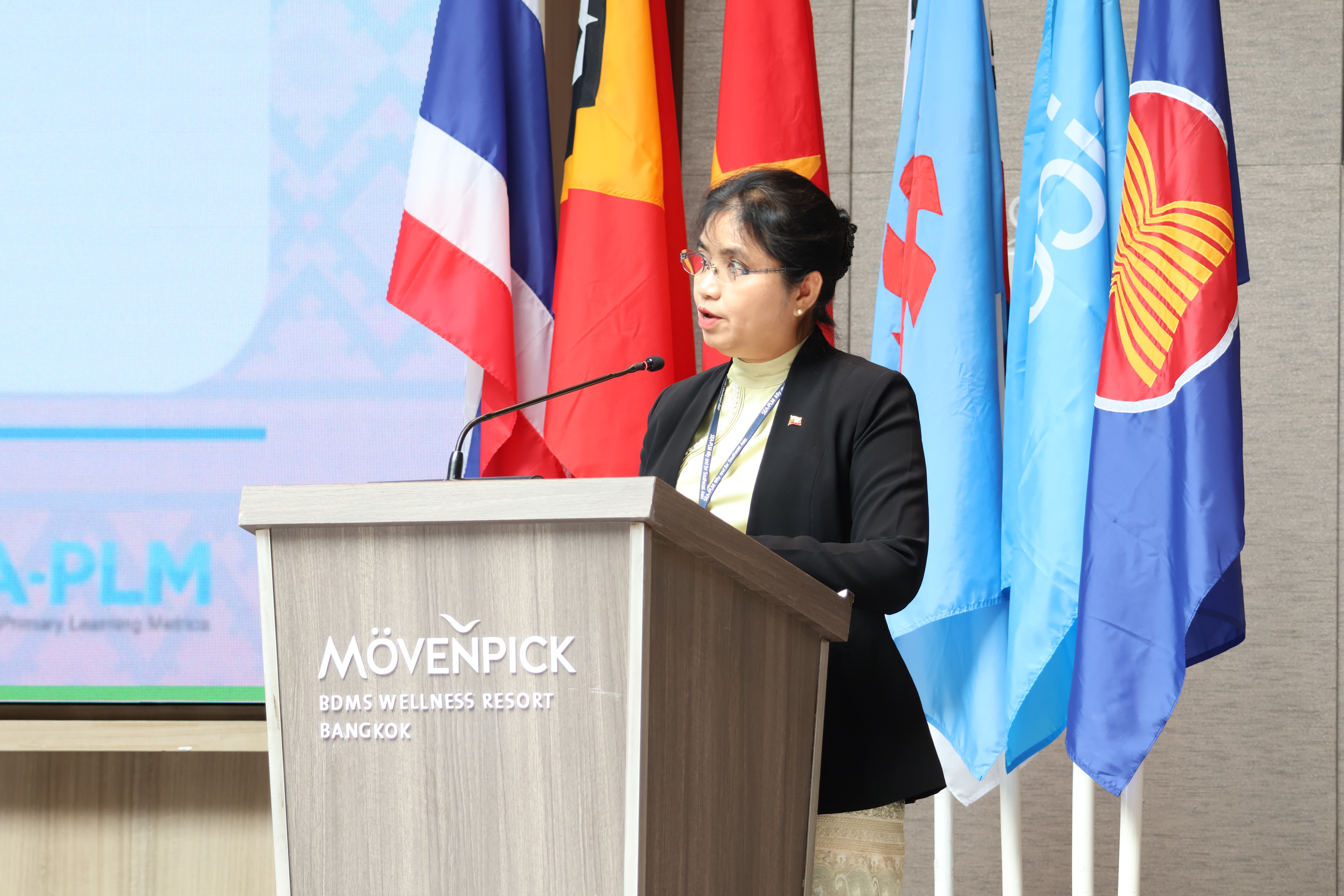 |
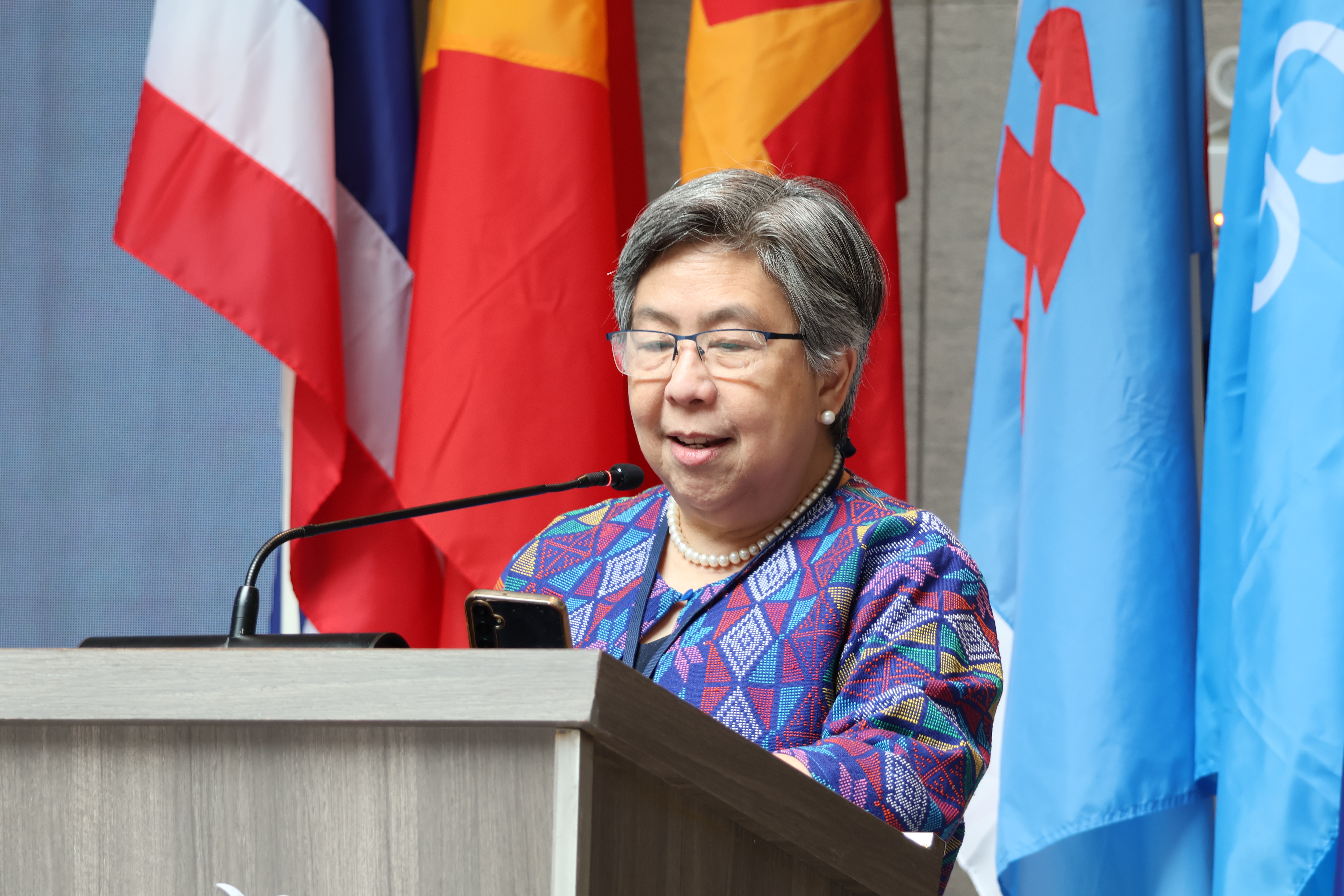
Myanmar is using the findings to monitor progress under its National Education Strategic Plan and identify equity gaps that remain despite improvements in the 2024 results. Dr Khin Thidar, Director General of the Department of Education Research, Planning and Training, identified curriculum reform, specialised teacher guides, stronger in-service training in literacy and numeracy, and competency-based assessment items as priorities. |
 |
In the Philippines, Dr Carmela Oracion, Undersecretary for Learning Systems, said the Department of Education plans to use SEA-PLM evidence to examine the ARAL programme and MATATAG curriculum and identify implementation gaps. Findings can help direct attention to socioeconomically disadvantaged learners and those in geographically isolated areas, where broad national averages may conceal the greatest needs. |
 |
Viet Nam is using SEA-PLM for longer-term monitoring and policy review. Dr Khanh Pham Quoc, Deputy Director General of the Viet Nam Educational Quality Management Agency, said findings have contributed to the competency-based general education curriculum and reviews of primary education policy. Teacher data are informing differentiated professional development, with assessment increasingly used to improve learning, including higher-order thinking and creativity. |
The policy test now is implementation. Governments can use successive SEA-PLM results alongside national and local evidence to check whether reforms reach the learners most at risk and whether classroom practice changes. The SEA-PLM Pluriannual Strategic Framework 2026–2031, launched at the briefing, offers a regional platform for that work: generating comparable evidence, building national capacity, and supporting its use in education decisions.
–
The Phase 2: Monitoring and Developing ASEAN Basic Education: The Southeast Asia Primary Learning Metrics (SEA-PLM) Programme is supported by the Government of the Republic of Korea through the ASEAN-Korea Cooperation Fund (AKCF). Its content is the sole responsibility of the SEA-PLM Regional Secretariat and does not necessarily reflect the views of the AKCF.
|
|
|
|
|
|
|
|


Southeast Asia Strengthens Commitment to Foundational Learning at High-Level Diplomatic Briefing
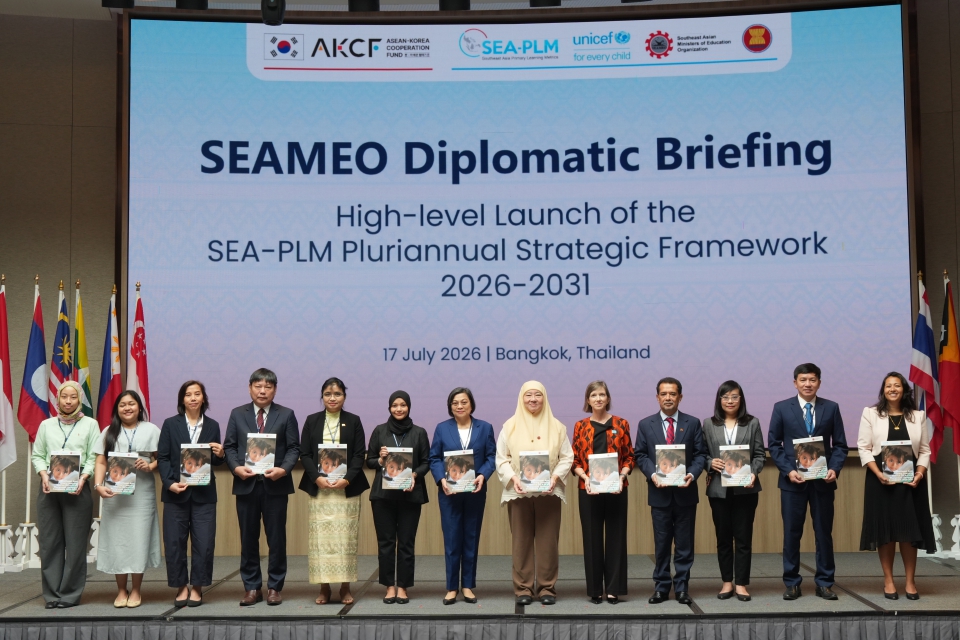
Bangkok, July 2026 - Held in hybrid format at the Mövenpick BDMS Wellness Resort in Bangkok, Thailand, on 17 July 2026, the SEAMEO Diplomatic Briefing and Policy Roundtable brought together 76 participants from Ministries of Education, diplomatic missions, SEAMEO Regional Centres and Network, and regional and international partner organisations. The gathering strengthened regional commitment to advancing foundational learning, reinforcing collective action to translate SEA-PLM evidence into policies and programmes that improve children’s learning outcomes across Southeast Asia. It also marked the official launch of the SEA-PLM Pluriannual Strategic Framework 2026–2031, which places greater emphasis on the use of SEA-PLM 2024 results, and signalled the beginning of the programme’s third cycle, SEA-PLM 2029. The event is part of the SEA-PLM Phase 2 project supported by the Government of the Republic of Korea through the ASEAN-Korea Cooperation Fund (AKCF)
At the Diplomatic Briefing and Policy Roundtable, participants reaffirmed the importance of sustained regional cooperation to strengthen foundational learning and ensure that evidence leads to meaningful improvements for children. The newly launched five-year SEA-PLM Pluriannual Strategic Framework 2026–2031 provides a shared direction for turning this commitment into action. Through the SEA-PLM 2029 assessment and stronger Evidence-to-Policy Linkages, the programme will help countries track progress, make greater use of SEA-PLM 2024 findings and other evidence, strengthen national capacity, and translate learning data into policies and classroom practices that improve opportunities for every child.
.JPG) |
 opened the diplomatic briefing session.JPG) |
Datuk Dr Habibah binti Abdul Rahim (SEAMEO Secretariat) and Ms Julianna (UNICEF) opened the diplomatic briefing session
Opening the briefing, Datuk Dr Habibah Abdul Rahim, Director of the SEAMEO Secretariat and SEA-PLM Co-Chair, called for deliberate action to address learning disparities and reinforce education systems. Ms Julianna Lindsey, UNICEF Deputy Regional Director forAsia and the Pacific and SEA-PLM Co-Chair representative, underlined the same challenge: learning data must be translated into reforms that improve foundational learning for every child. In his keynote address, H.E. San Lwin, Deputy Secretary-General of ASEAN for the ASEAN Socio-Cultural Community, encouraged stronger cooperation between governments and partners to build inclusive, resilient, and future-ready education systems.
 to strengthen their collabo.jpg)
Mr Sanjay Wijesekera, UNICEF Regional Director for Asia and the Pacific, and Datuk Dr Habibah Abdul Rahim, Director of the SEAMEO Secretariat signed a new Memorandum of Understanding (MoU) to strengthen their collaboration through the Southeast Asia Primary Learning Metrics (SEA-PLM).
The launch was also backed by a renewed five-year partnership between the SEAMEO Secretariat and UNICEF to jointly guide the programme.
The country's responses showed that SEA-PLM is already influencing decisions beyond the assessment itself. Cambodia plans to use the evidence to strengthen early-grade reading and mathematics, curriculum implementation, pedagogy, and support for underperforming schools. Lao PDR confirmed its participation in SEA-PLM 2029 and intends to use the results in developing its education sector plan for 2030-2035.
Malaysia has embedded foundational learning in its Education Blueprint 2026-2035, with action on early identification of learning gaps, preschool access, new learning progress metrics, and AI-supported assessment development. Myanmar highlighted curriculum reform, specialised teacher guides, and stronger in-service training. The Philippines plans to use the 2029 evidence to examine national initiatives including the ARAL programme and the MATATAG curriculum, while Viet Nam is using SEA-PLM insights to inform its competency-based curriculum and differentiated professional development for teachers.
These responses reflected a common result of the discussion: countries value regional comparability, but they also need evidence that can be used within their own policy context. SEA-PLM 2029 is therefore expected to serve as a platform for national capacity development and education reform, while serving as a mechanism for regional monitoring and peer learning.
Policy roundtable puts teachers and classroom realities at the centre

Group photo of ministries of education, diplomatic missions, SEAMEO bodies, and regional and international partner organisations during SEAMEO Diplomatic Briefing.
The afternoon Policy Roundtable Discussion on SEA-PLM 2024 Reflections on Teachers and Teaching Practices in Southeast Asia moved the conversation from systems to classrooms. Participants considered what teachers need as they work with increasingly diverse learning levels, administrative pressures, limited resources, and changing expectations. As Mr Matt Brossard, UNICEF Senior Adviser for Education and SEA-PLM Co-Chair, asserted, every ambition for education ultimately depends on what happens between a teacher and a child.
SEA-PLM 2024 evidence points to four interconnected challenges: wide differences in learner proficiency within the same classroom; heavy administrative workloads; uncertainty about whether professional development changes teaching practice; and a gap between assessment data and day-to-day instruction. The roundtable translated these challenges into four priorities for action.
Target support to high-need classrooms. Schools and teachers facing the greatest concentration of low-performing learners need differentiated resources, coaching, mentoring, and stronger leadership support. A single model of intervention will not meet the region's varied classroom realities.
Protect time for teaching and create enabling conditions. Reducing unnecessary administrative work, improving school safety and inclusion, and strengthening school leadership are essential if teachers are to focus on learning rather than compliance.
Make professional development practical and continuous. Participants called for training that responds to real classroom needs and is followed by coaching, mentoring, professional learning communities, and local support. The measure of success should not be attendance or credits alone, but whether teachers can apply new approaches and whether students learn more.
Use assessment as a tool for improvement. Regional, national, and classroom evidence has the greatest value when it helps teachers identify learning gaps, adapt instruction, and give targeted feedback, while also helping leaders direct resources where they are needed most.
 |
 |
 |
 |
SEA-PLM Partner share their perspective on teacher and classroom realities during roundtable discussion
Country experiences made these priorities tangible. Cambodia highlighted Teaching at the Right Level for learners who are falling behind. Indonesia’s Toba Regency highlighted the role of Guru Penggerak (Teacher Leaders), local teacher working groups such as KKG and MGMP, and continuous mentoring in strengthening teachers’ professional development and classroom practices.. Lao PDR shared a decentralised model of pedagogical support, while Malaysia presented its AI-supported Foundational Literacy and Numeracy Expertise Programme. The Philippines stressed the need to protect teaching time and expand remedial support. Viet Nam and Thailand both emphasised sustained, school-based professional learning that teachers can apply in their own classrooms.
Partners broadened the discussion further. SEAMEO INNOTECH stressed the importance of supporting teachers with effective evidence and data. Global School Leaders highlighted the role of principals in turning evidence into school-level action, and the Association of Southeast Asian Teacher Education Network (ASTEN) called for stronger links between assessment evidence and the preparation of future teachers.
The roundtable produced practical directions for the next phase of work. Inputs from participants will help shape the forthcoming SEA-PLM policy brief on teachers. The Regional Secretariat also plans further analysis on primary schools and teachers, gender, early childhood education, social-emotional learning, and citizenship, together with country-tailored school card reports. Suggested refinements for the 2029 cycle include closer links between teachers, classes, and subjects; greater attention to instructional quality, teacher motivation, and the application of professional development; and more useful feedback for schools.
Closing the roundtable, Datuk Dr Habibah reminded participants that behind every percentage point are real children. The shared ambition is bold: for Southeast Asia to become the world's fastest-improving region in foundational learning within five years. Reaching it will require continued investment in teachers, earlier support for struggling learners, and the courage to use evidence not only to describe learning gaps, but to close them.
Join SEA-PLM 2029
SEA-PLM 2029 welcomes Southeast Asian countries, subnational education authorities, and regional and international partners to help strengthen foundational learning and evidence-informed education systems. Participation offers opportunities to benchmark learning, build assessment capacity, exchange knowledge, and turn evidence into policy and practice.
Learn more about the programme, participation, and partnership opportunities in SEA-PLM 2029
–
The Phase 2: monitoring and Developing ASEAN Basic Education: The Southeast Asia primary Learning Metrics (SEA-PLM) Programme is supported by the Government of the Republic of Korea through the ASEAN-Korea Cooperation Fund (AKCF). Its content is the sole responsibility of the SEA-PLM Regional Secretariat and does not necessarily reflect the views of the AKCF.
|
|
|
|
|
|
|
|
16th Regional Steering Committee Meeting Reinforces Regional Commitment to Foundational Learning in Southeast Asia

Hanoi, May 2026 - The 16th Regional Steering Committee (RSC) Meeting in Hanoi reaffirmed an important perspective: evidence matters, but only when it informs decision-making and drives change in schools, in classrooms, and in children’s lives.
This was the central message emerging from the 16th Southeast Asia Primary Learning Metrics (SEA-PLM) RSC Meeting, held from 11 to 13 May 2026 in Hanoi, Viet Nam with support from the Government of the Republic of Korea through the ASEAN-Korea Cooperation Fund (AKCF). Following the launch of the SEA-PLM 2024 Main Regional Report in December 2025, the meeting brought together participating countries and partners to reflect on what the latest evidence means for the next steps in improving foundational learning across the region.
The Meeting commenced with a high-level dialogue with H.E. Mr Pham Ngoc Thuong, the Deputy Minister of the Ministry of Education and Training of Viet Nam, and Datuk Dr Habibah Abdul Rahim, Director, SEAMEO Secretariat, and SEA-PLM Co-Chair; and Mr Matt Brossard, Senior Advisor for Education, UNICEF Global Education Practice and SEA-PLM Co-Chair, underscoring the importance of Viet Nam’s strong leadership in advancing foundational learning and its enduring commitment to the SEA-PLM programme. The dialogue highlighted how regional assessment evidence can better inform national education priorities when policymakers are actively involved in the discussion.

High-level dialogue with H.E. Mr Pham Ngoc Thuong, the Deputy Minister of the Ministry of Education and Training of Viet Nam, and Datuk Dr Habibah Abdul Rahim (SEAMEO Secretariat) ,Mr Matt Brossard (UNICEF), and members of the SEA-PLM Regional Secretariat
The meeting showed that SEA-PLM is increasingly being used not only to measure learning, but also to help countries understand where children are struggling, which groups may need more support and how national priorities can respond more effectively. For the SEA-PLM, this marks an important shift. Evidence is no longer treated as the final product of an assessment cycle. It is becoming the starting point for policy dialogue, national planning, and practical interventions that can reach teachers and learners.
The curriculum mapping exercise is designed to examine how national curricula align with the competencies and learning domains assessed through SEA-PLM, helping countries better understand the relationship between intended curriculum expectations and regional learning assessment frameworks. Cambodia served as the pilot country for Phase 1 of the curriculum mapping study, providing a practical example for testing and demonstrating the proposed methodology, mapping templates, and analytical approach. During the workshop, findings and experiences from the Cambodia pilot were used to introduce participants to the curriculum mapping process and illustrate how it could be applied in practice.
 |
 |
 |
 |
Datuk Dr Habibah Abdul Rahim - Director of SEAMEO Secretariat, Mr Matt Brossard - Senior Advisor, Education of UNICEF, Ms Amalia Serrano - Senior Officer of ASEAN Secretariat, Mr Anggiet Yoga Ariefianto - Program Manager at ASEAN-ROK Cooperation Fund, Ms Soon Ji Kwon - 1st Secretary Republic of Korea Mission to ASEAN, Dr Eun Yong Kim - Senior Research Fellow of the Korean Educational Development Institute during the discussion in Regional Steering Committee 2026
Across Southeast Asia, the SEA-PLM 2024 evidence continues to point to learning gaps that cannot be addressed through a one-size-fits-all response. Countries are looking more closely at students performing at the lowest proficiency levels, the children facing disadvantages linked to language location or socioeconomic background, and the differences in learning outcomes between girls and boys.
During the meeting, the Regional Secretariat presented further analysis of the SEA-PLM 2024 data, including emerging findings on gender disparities. The analysis found that differences between girls’ and boys’ performance continue to be visible, with girls generally performing better in reading and mathematics. These patterns matter because learning gaps in primary school can shape children’s confidence, opportunities and future pathways.
The discussion also recognized that assessment results alone do not explain why children learn differently. Information from the SEA-PLM system-level questionnaire helped countries consider the wider conditions affecting learning, including curriculum reform, teacher preparation, school leadership, learning environments and support for children facing disadvantage.
Evidence is informing national action
The strongest message from Hanoi was that countries are already beginning to use SEA-PLM evidence in practical ways. An important part of this work is SEA-PLM Initiative 2: Evidence-to-Policy linkages. Introduced following the 2024 assessment cycle, Initiative 2 supports participating countries in translating SEA-PLM findings into national dialogue, planning and interventions that respond to their own priorities. The National Steering Committee, led by the ministries of education, plays a central role in this process. Rather than applying a regional solution uniformly across countries, the approach recognises that each education system has its own challenges, resources and opportunities for change.
In Cambodia, findings from the 2024 assessment are being used to inform national analysis and support the development of teaching and learning materials. The country is also strengthening teachers’ and school leaders’ capacity to develop classroom assessment items, helping schools use evidence closer to where learning happens.
In Lao PDR, SEA-PLM indicators have been integrated into the country’s Education and Sports Sector Development Plan 2026 - 2030. Item-level analysis of the SEA-PLM 2024 results have helped identify challenges in reading comprehension, mathematics word problems and language use in assessment. These insights are expected to support curriculum development and improvements in learning materials.
Malaysia is using SEA-PLM findings to examine learning gaps across states and schools. Through its foundational literacy and numeracy programme, assessment evidence is being linked with targeted support for students who are falling behind, including children affected by language differences and socioeconomic disadvantage.
 |
 |
 |
 |
 |
 |
 |
 |
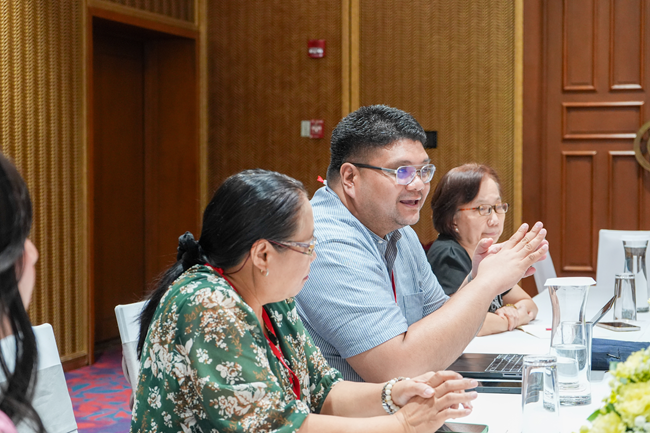
Representative of the ministries from Cambodia, Lao PDR, Malaysia, Myanmar, Philippines, Thailand, Timor-Leste and Viet Nam during the discussion with SEA-PLM Regional Secretariat
Myanmar is using SEA-PLM data to inform curriculum review, teacher development and resource allocation for schools and learners. The country has also developed practical guidebooks on reading, and mathematics.
In the Philippines, evidence from SEA-PLM has supported work to strengthen teacher’s assessment capacity. This includes mapping the national curriculum against SEA-PLM proficiency expectations and developing classroom assessment item banks that teachers can use to better understand and respond to students’ learning needs.
Viet Nam also shared how its national analysis has highlighted the need to support students who have not yet met the minimum reading expectations, strengthen higher-order thinking and writing skills, and improve opportunities for children from ethnic minority and disadvantaged communities.
The country's experiences show that evidence becomes meaningful when it is connected to the decisions educators and policy makers face every day on how to support teachers, how to allocate resources, how to adapt learning materials, and how to reach children who are at risk of being left behind.
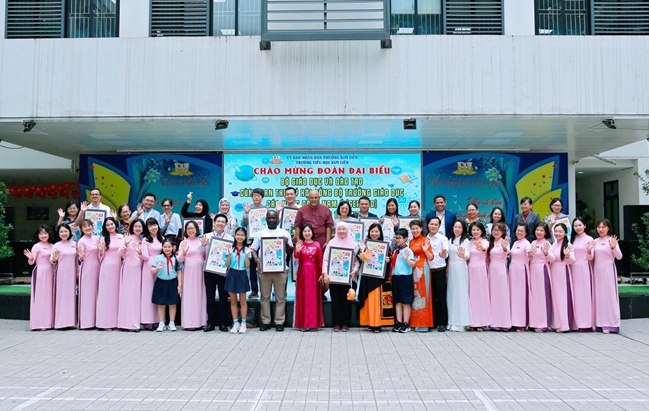
The meeting also brought the evidence-to-action discussion closer to the classroom. During the RSC Meeting, representatives from the SEA-PLM Regional Secretariat, partners and ministries of education visited Mai Dich Primary School and Kim Lien Primary School in Hanoi. The visits provided an opportunity to observe learning environments and reflect on how national and regional commitments can ultimately support children and teachers in schools.
 |
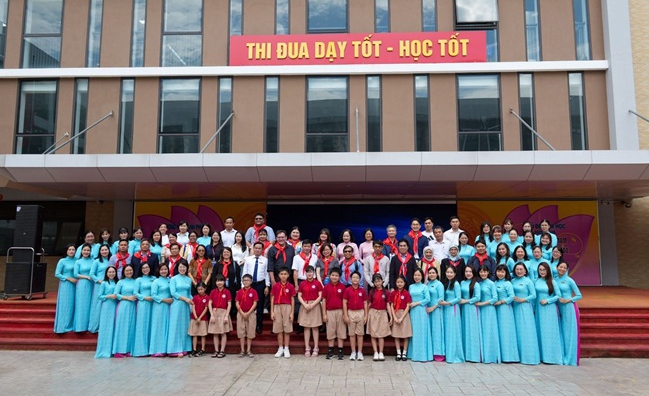 |
Group photo during school visit at Mai Dich Primary School and Kim Lien Primary School in Hanoi, Viet Nam
As SEA-PLM prepares for its next programme cycle, including SEA-PLM 2029, the RSC Meeting also provided an opportunity to consult on the SEA-PLM Pluriannual Strategic Framework 2026-2031. The forthcoming cycle will continue to generate comparable information on children’s learning. At the same time, the work between assessment cycles will remain just as important: supporting countries to interpret findings, identify practical responses and learn from one another.
The discussion in Hanoi offered a reminder that data does not improve learning on its own. Change happens when evidence is understood, owned and used by the government for shaping education systems.
SEA-PLM 2024 has given countries a clearer picture of children’s learning across the region. The task now is to keep that evidence moving from regional findings to national priorities, from policy discussions to classroom support, and from learning gaps to better opportunities for every child.
–
SEA-PLM is supported by the Government of the Republic of Korea through the ASEAN-Korea Cooperation Fund (AKCF). Its content is the sole responsibility of the SEA-PLM Regional Secretariat and does not necessarily reflect the views of AKCF.”
|
|
|
|
|
|
|
|
SEA-PLM brings Regional Learning Evidence to the CPRN Summit 2026

Jakarta, June 2026 - SEA-PLM participated in the SEAMEO Centres Policy Research Network (CPRN) Summit 2026. Held from 9 to 11 June 2026 in Jakarta, Indonesia, the summit gathered policymakers, researchers, education practitioners and development partners under the theme “Bridging Research, Policy, and Practice: Pathways toward Inclusive, Equitable, and Sustainable Futures.” The event provided a timely space to discuss how regional evidence can be translated into practical improvements across education systems.
Representing the SEA-PLM Regional Secretariat, Mr Alejandro Sinon Ibanez joined a plenary session examining the urgency of numeracy and the system-level reforms needed to improve mathematics learning. His presentation, “Turning Evidence into Action: Numeracy Outcomes and Policy Responses from the Southeast Asia Primary Learning Metrics,” drew on findings from the SEA-PLM 2024 Main Regional Report. In the beginning of the presentation , Mr Alejandro invited participants to answer two mathematics questions similar to those given to Grade 5 students. The first was a simple addition problem, while the second asked students to compare the heights of two children using a measurement scale. The questions appeared straightforward to the audience. Yet the results revealed a different reality for children. While between 92 and 98 per cent of Grade 5 students across participating countries could answer the first question correctly, only between 42 and 79 per cent successfully completed the second. This simple exercise helped make the data feel real. It reminded participants that what adults assume children should know does not always reflect what children can actually demonstrate. This is where learning assessments such as SEA-PLM matter; it provides objective evidence about students’ knowledge and skills, allowing education systems to respond to actual learning needs rather than assumptions.
The SEA-PLM 2024 results show modest progress in mathematics across the region. The regional average increased from 305 score points in 2019 to 310 in 2024. However, progress remains uneven among countries and groups of learners. Around 68 per cent of Grade 5 students achieved the minimum proficiency in mathematics, while 32 per cent remained below it. More concerningly, approximately nine per cent demonstrated very low proficiency, performing at a level closer to what would be expected in the earlier years of primary school. This represents nearly half a million Grade 5 students who have completed five years of schooling but are still struggling with foundational mathematical skills.
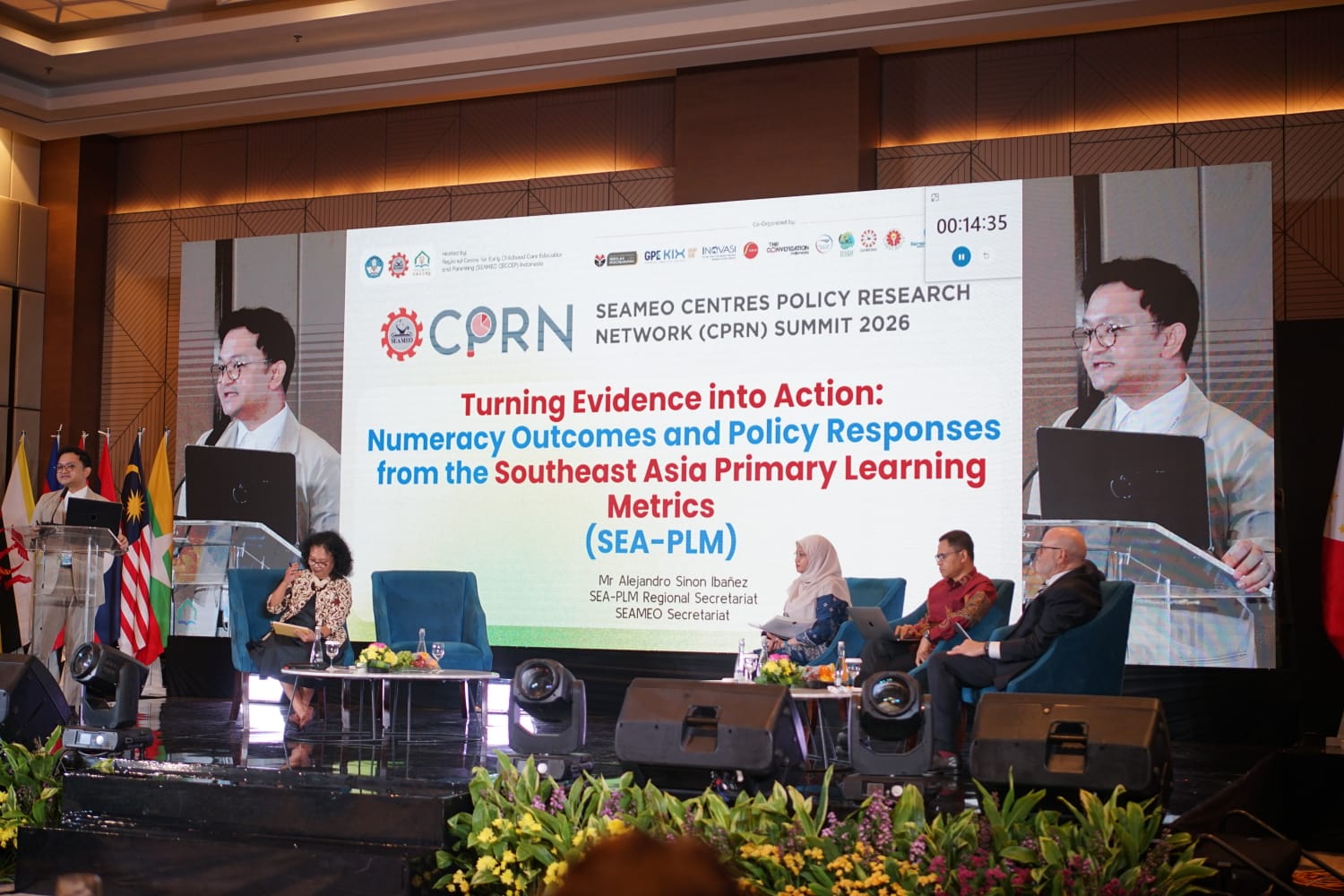
Mr Alejandro Ibanez presented the result of SEA-PLM 2024
The presentation also looked beyond national averages to examine who is learning and who continues to fall behind. While gender differences in mathematics were generally small, the gaps associated with socioeconomic background were far more significant. In some countries, the difference between students from higher- and lower-income households reached almost 30 score points, equivalent to approximately one or two years of learning. Other factors also shaped learning outcomes. Students attending private schools generally performed better than those in public schools, while children who spoke the language of instruction at home achieved higher scores than those who did not. Across participating countries, between nine and 14 per cent of students were enrolled in schools where at least half of the student population was low-performing, revealing pockets of concentrated learning disadvantage.
These findings brought the discussion back to equity. Low mathematics performance cannot be treated only as an individual learning problem. It is closely connected to the conditions surrounding children, their family circumstances, language, school resources and access to early learning opportunities. Improving outcomes therefore requires targeted support for schools and learners facing multiple disadvantages.
Mr Alejandro also highlighted how participating countries are already carrying SEA-PLM evidence forward. National Steering Committees are bringing together policymakers, curriculum specialists, assessment experts and practitioners to examine the findings and connect them with national reforms.
Cambodia is strengthening classroom assessment and early-grade learning. Lao PDR is using item-level analysis to support curriculum and teacher-training reforms. The Philippines is developing teacher capacity and assessment resources linked to the MATATAG curriculum, while Myanmar is focusing on reading fluency and mathematical thinking. Malaysia is exploring the use of artificial intelligence in assessment, teacher development and policymaking, and Viet Nam is using SEA-PLM findings to strengthen school-quality standards and system monitoring. The discussion reinforced a shared understanding that data must lead to decisions, investment and changes in classroom practice. Assessment results are most valuable when teachers can use them to understand learners’ needs, ministries can connect them with national priorities, and countries can learn from one another.
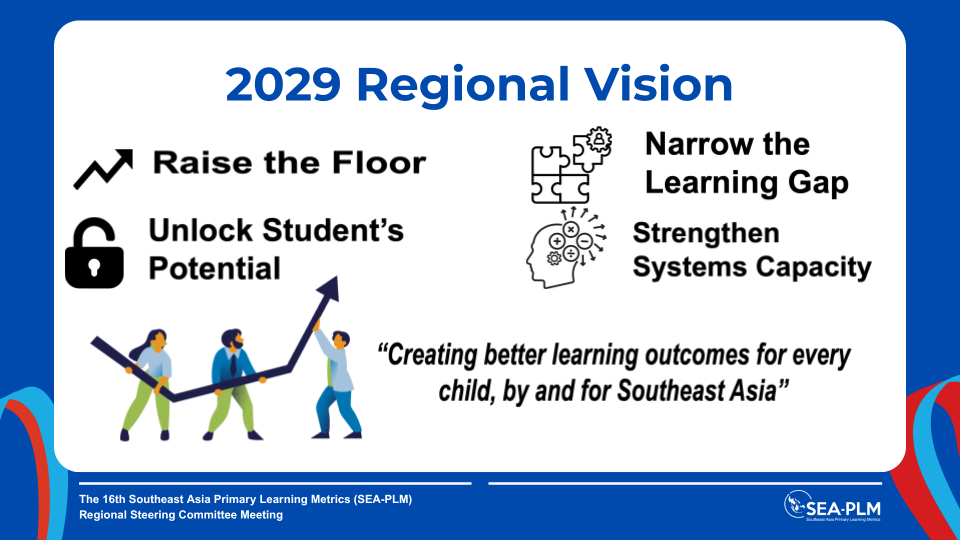
This direction is at the heart of SEA-PLM Initiative 2 on evidence-to-policy, which supports countries in strengthening their capacity to translate learning data into meaningful and sustained action. It also supports the regional vision for SEA-PLM 2029: raising the floor for children who have not yet reached minimum proficiency, narrowing learning gaps, unlocking the potential of higher-performing students and strengthening education systems’ capacity to use evidence.
SEA-PLM’s participation in the CPRN Summit showed that the region already has valuable evidence and growing national commitment. The next step is to keep that evidence moving from reports into policy discussions, from policy discussions into programmes, and from programmes into classrooms.
Assessment for Improvement: Southeast Asian Countries Are Using Evidence to Drive Foundational Learning Forward

Hanoi, May 2026 - Following the 16th SEA-PLM Regional Steering Committee Meeting in Hanoi, Ministries of Education, regional organizations and education partners gathered for the International Scientific Workshop on Policy Trajectory for International Large-Scale Assessments in Southeast Asia: Improving Assessment to Improve Learning for Advancing ASEAN Basic Education.
Organized by the Ministry of Education and Training of Viet Nam in collaboration with the SEA-PLM Regional Secretariat with the support of the Government of the Republic of Korea, through the ASEAN-Korea Cooperation Fund, the workshop aimed to deepen regional cooperation on the development, implementation, and use of national and international large-scale assessments. More importantly, it created a space for countries to consider how assessment findings can be translated into practical education reform, from curriculum improvement and teacher support to more evidence-based decisions for children who are most at risk of being left behind.
The workshop was guided by three shared goals, which are to exchange lessons on how large-scale assessment can strengthen national assessment systems, to explore how assessment results can inform curriculum reform and teacher support, and to promote peer learning through the sharing of country experiences, technical expertise and innovations in evidence-based decision-making.
A regional dialogue focused on assessment utilization
Across Southeast Asia, learning data continue to point to urgent challenges. SEA-PLM 2024 evidence shows that only around half of grade 5 children meet minimum proficiency levels in reading, while approximately one-third meet this level in mathematics. Progress among students at the lowest proficiency levels remains slow, and learning gaps continue to be shaped by factors such as socioeconomic disadvantage, gender, language and access to supportive learning environments.
The workshop therefore focused not only on what the results show, but on what education systems can do next. Rather than presenting one regional solution, countries shared different pathways for turning evidence into action, from strengthening national assessment architecture and improving classroom materials to building long-term monitoring mechanisms and teacher support systems.
The Philippines highlighted how participation in international large-scale assessments can contribute to the improvement of national assessment systems. Its experience showed the importance of establishing a strong policy foundation, a clear national coordination mechanism and consistent technical standards for test administration, data management and reporting. The Philippines also shared lessons that have been integrated into national assessment practice, including the use of field trials to improve assessment items, the application of international assessment frameworks, improved reporting practices and the use of modern measurement approaches to better understand learner performance.
Thailand presented a complementary perspective through its use of PISA evidence. Rather than focusing only on performance trends, Thailand has drawn attention to the learning conditions behind the results, including student well-being, self-directed learning, parental engagement, the balanced use of digital devices and equitable access to teachers and learning resources. Thailand’s experience also demonstrated how assessment evidence can be translated into practical support, including an online test practice system, a literacy development package and an online professional development programme on formative assessment. These initiatives show how evidence can be brought closer to teachers and learners.
.png) |
.png) |
.png) |
.png) |
Dr Khanh Pham Quoc - Deputy Director General Viet Nam Quality Management Agency of Ministry of Education and Training Viet Nam, Dr. Nor Saidatul Rajeah Zamzam Amin - Director of Educational Planning and Research Division Ministry of Education Malaysia, Dr Puttoei Talawat - Director, Educational Assessment Unit of The Institute for the Promotion of Teaching Science and Technology (IPST), Ms Gretchen Cordero - Chief Education Program Specialist of the Department of Education Philippines
Cambodia’s contribution focused on using SEA-PLM 2024 evidence to strengthen foundational learning. The country reported improvements in both reading and mathematics between 2019 and 2024, while also recognising that result must lead to sustained support for schools and teachers. Cambodia is connecting SEA-PLM findings with early-grade learning and the Primary Learning Programme, including work to develop standardised assessment items and learning content based on SEA-PLM technical frameworks. Its approach also places importance on teacher capacity, classroom assessment, teaching manuals and school-level action planning.
Lao PDR, meanwhile, demonstrated how item-level analysis and curriculum mapping can identify the precise learning difficulties faced by children. Its analysis pointed to challenges in basic vocabulary, reading comprehension, mathematical concepts and the use of learning materials that are responsive to local contexts. This evidence is informing a roadmap to review curriculum and foundational literacy outcomes, improve teaching and learning materials and strengthen teacher preparation and classroom support.
Malaysia presented an approach centred on institutional coordination and long-term follow-through. Through its International Benchmarking Committee, Malaysia is building a mechanism to connect evidence from SEA-PLM, PISA and TIMSS with national planning, curriculum, pedagogy, teacher training, monitoring and state-level implementation. This work is further supported through its Foundational Literacy and Numeracy Expertise Programme pathway, which aims to move from identifying learning gaps to developing better diagnostic tools, supporting teachers and monitoring progress.
As the host country, Viet Nam shared how national and international large-scale assessments are being incorporated within its national planning for education improvement. Through its national master plan for large-scale assessment to 2030, Viet Nam is using evidence from SEA-PLM, PISA, TALIS and national assessments to inform the implementation of its general education curriculum and identify equity-related priorities. SEA-PLM 2024 findings in Viet Nam point to the need to provide targeted support for students below minimum proficiency levels, expand reading materials for boys and children in remote areas, monitor widening socioeconomic gaps and strengthen higher-order thinking skills.
A gallery walk that turned country experiences into shared regional learning
.png) |
.png) |
.png) |
|
.png)
Participants during gallery walk in the ASEAN Forum
Beyond presentations and discussion sessions, the workshop included a gallery walk where country delegations showcased evidence-based reforms and strategies to improve learning outcomes. Participants moved between country stations, exchanged information, and discussed the lessons behind different approaches.
The gallery walk provided an important space for more open and practical dialogue. Countries were not only reporting what they had done, representatives from the ministries were learning from one another about the choices, challenges and tools involved in making evidence useful. A teacher-support mechanism in one country, a curriculum-mapping approach in another, or a national coordination structure elsewhere could offer valuable insights for adaptation in different contexts.
This peer exchange reflected the broader value of regional cooperation in education. While each country faces its own priorities and system realities, the workshop demonstrated that countries can learn together about how to strengthen assessment quality, make results more understandable and translate evidence into action for children.
Held after the Regional Steering Committee Meeting, the workshop reinforced a practical next step for SEA-PLM and served as a bridge between evidence and implementation. The country experiences shared in Hanoi showed that this work is already taking shape in different forms across the region. Together, the representatives of the ministries point toward a common direction to strengthening the assessment system not simply to measure learning but to improve it.
–
SEA-PLM is supported by the Government of the Republic of Korea through the ASEAN-Korea Cooperation Fund (AKCF). Its content is the sole responsibility of the SEA-PLM Regional Secretariat and does not necessarily reflect the views of AKCF.”
|
|
|
|
|
|
|
|
Southeast Asia advances Foundational Learning through SEA-PLM participation at the CIES 2026
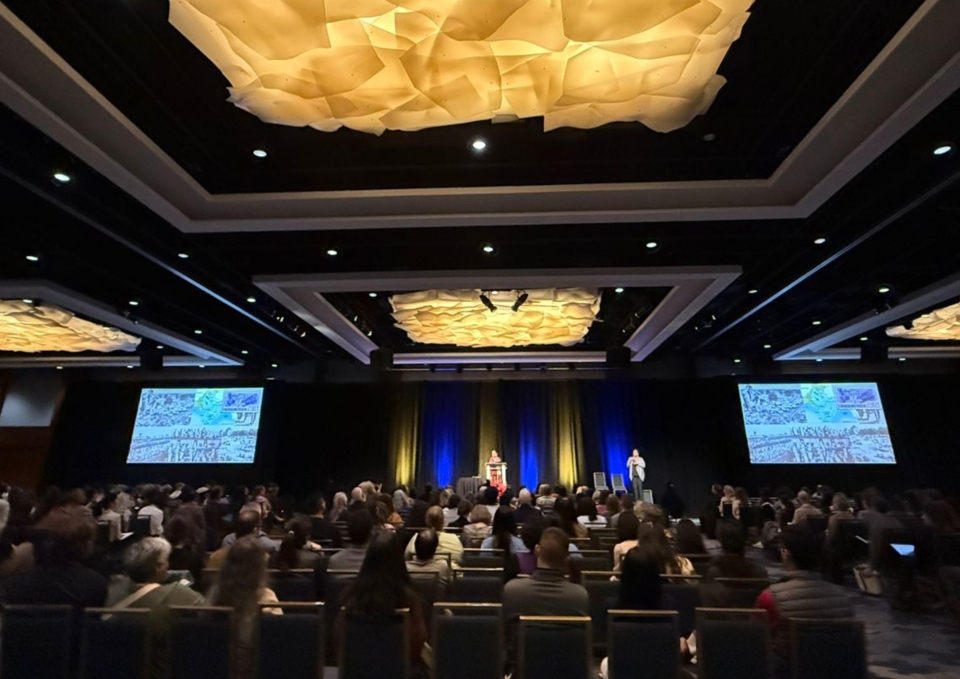
San Francisco, April 2026 - The Southeast Asia Primary Learning Metrics (SEA-PLM) programme took the global stage at the 70th Annual Meeting of the Comparative and International Education Society (CIES 2026), highlighting how regional collaboration and evidence-driven approaches are advancing foundational learning across Southeast Asia. The SEA-PLM is made possible with the generous support of the Government of the Republic of Korea through the ASEAN-Korea Cooperation Fund (AKCF).
Held from 28 March to 01 April 2026 in San Francisco, the global conference convened education researchers, policymakers, and development partners to discuss pressing challenges and innovations in education. Through continued investment in foundational learning, SEA-PLM showcased how large-scale learning assessments can support countries in translating data into actionable reforms, particularly critical in the wake of post-COVID-19 disruptions.
Under the symposium title “Foundations First: Investing in Foundational Learning to Transform Education Systems in Southeast Asia,” the SEA-PLM Regional Secretariat, co-led by the SEAMEO Secretariat and UNICEF East Asia and Pacific Regional Office, brought together regional and international partners.
“Foundational learning is not only about school performance, but about children’s ability to participate meaningfully in life beyond the classroom,” said Alejandro Ibanez, speaking during the session.
SEA-PLM, the region’s first large-scale learning assessment designed by and for Southeast Asian countries, measures Grade 5 students’ competencies in reading, writing, and mathematics, alongside contextual data from students, teachers, parents, and schools. Supported by AKCF and key partners, the programme also plays a critical role in strengthening national capacity and enabling countries to monitor progress toward Sustainable Development Goal 4, particularly indicator 4.1.1b on minimum proficiency at the end of primary education.
Findings presented at CIES 2026 point to both progress and ongoing challenges. In 2024, 53 per cent of students across the region achieved minimum proficiency in reading, up from 46 per cent in 2019. In mathematics, the proportion rose to 68 per cent, compared to 56 per cent five years earlier. Despite these gains, a significant share of learners remain at risk: 15 per cent of Grade 5 students demonstrated very low proficiency in reading, and 9 per cent in mathematics.

Mr Alejandro Sinon Ibañez presented key SEA-PLM findings at the CIES 2026 Annual Meeting.
The session underscored that disparities continue to shape learning outcomes. Socio-economic status and language of instruction remain key determinants of student performance across SEA-PLM cycles, reinforcing the need for targeted, data-driven interventions, especially for the most vulnerable learners.
Country experiences highlighted how SEA-PLM evidence is informing reform. In Cambodia, SEA-PLM has been institutionalized within the national policy framework and supports SDG 4 reporting, alongside reforms such as the rollout of Early Grade Learning initiatives and strengthened primary education programmes. In the Philippines, SEA-PLM data is contributing to policy discussions on literacy and numeracy, teacher support, and diagnostic assessment systems, including the development of classroom-aligned tools and open-access item banks.
At the regional level, momentum is growing around foundational learning as a shared priority. Both Cambodia and the Philippines have endorsed the Global Commitment to Action on Foundational Learning, while broader ASEAN engagement is underway. The Philippines is also advancing an ASEAN Leaders’ Declaration on Foundational Learning under its current chairship.
Looking ahead, SEA-PLM, supported by its partners, aims to accelerate progress toward equitable foundational learning outcomes by 2030. The next assessment cycle, SEA-PLM 2029, is expected to further strengthen the role of data in shaping education policy and practice across the region.
As emphasized during the symposium, SEA-PLM’s mission goes beyond measurement: it seeks to drive systemic transformation by promoting evidence use, strengthening accountability, and fostering a shared regional commitment to ensuring that every child acquires foundational skills for life.
–
SEA-PLM is supported by the Government of the Republic of Korea through the ASEAN-Korea Cooperation Fund (AKCF). The content of this article is the sole responsibility of the SEA-PLM Regional Secretariat and does not necessarily reflect the views of AKCF.
|
|
|
|
|
|
|
|
Bridging Assessment and Classroom Practice: SEA-PLM brings countries together for a Regional Capacity-Building Workshop
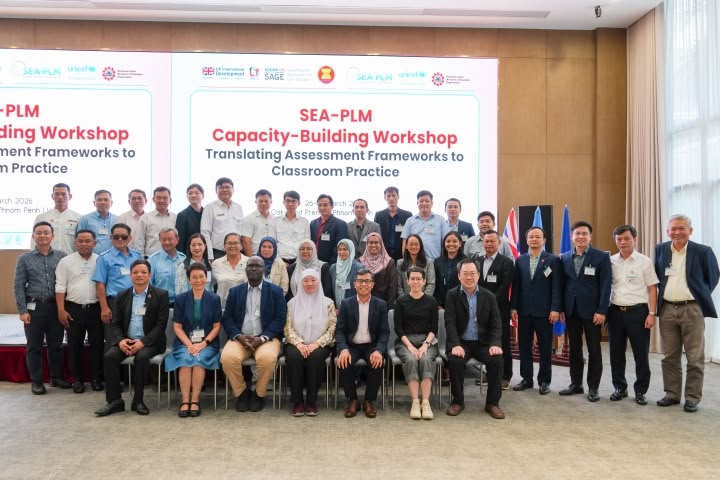
Phnom Penh, Cambodia - On 26 to 27 March 2026, the SEA-PLM Regional Secretariat convened a regional capacity-building workshop in Cambodia, bringing together education representatives from six participating countries, Cambodia, Lao PDR, Malaysia, Myanmar, the Philippines, and Viet Nam, to strengthen the use of assessment findings in improving teaching and learning. The capacity-building workshop was made possible with the generous support of the UK Government through the ASEAN-UK SAGE programme.
Held following a series of country planning meetings, the workshop focused on how evidence from SEA-PLM can be translated into more practical action within classrooms and education systems. Central to the discussions was the release of the 2024 Regional Snapshot on Writing Results, alongside national datasets on writing, providing countries with fresh insights to guide reflection and reform
The newly released writing results anchored the workshop’s opening sessions, prompting dialogue on how writing is taught, assessed, and supported across the region. Participants examined key issues emerging from the data, including gender disparities, socioeconomic gaps, language practices, and the preparedness of teachers to deliver effective writing instruction.
Building on this evidence, the workshop shifted its focus to curriculum mapping as a practical next step. The SEA-PLM Curriculum Mapping Study aims to help countries align national curriculum expectations with SEA-PLM assessment frameworks and proficiency standards. This alignment is intended to strengthen coherence between curriculum, classroom instruction, and assessment practice
Technical experts from the National Institute of Education at Nanyang Technological University and the Australian Council for Educational Research (ACER) supported the workshop sessions by sharing guidance on curriculum mapping as a practical bridge between policy, assessment, and classroom practice.
The experts, including Dr Christina Tong Li Lim, Prof. Ban Heng Choy, Dr Donna Lim Ching-Tse, Ms Stavroula Zoumbolis, and Ms Sandra Knowles, contributed to discussions on how curriculum mapping can help align assessment frameworks with national curriculum expectations and strengthen classroom implementation. Their inputs helped position curriculum mapping not only as a technical exercise, but also as a tool to support more coherent education planning and practice.
  |
(Left - Right) Ms Sandra Knowles, expert from ACER; Ms Christina Tong Li Lim, Mr Ban Heng Choy, and Ms Donna Lim Ching-Tse from Nanyang Technological University.
Phase 1 of the curriculum mapping study focuses on developing practical learning matrices in reading and mathematics at the primary level. In this context, learning matrices serve as tools that outline the SEA-PLM framework in reading and math in a more granular set of competencies that demonstrates the progression of skills from the most basic to more complex skills. These learning matrices articulates learning outcomes expected by the end of primary education and traces how these outcomes are reflected across curriculum standards, competencies, learning objectives, and related curriculum documents.
These maps are intended to help teachers, curriculum officers, and education planners better understand how expected competencies are structured and sequenced, and how they align with SEA-PLM learning outcomes. They are not designed as classroom lesson plans, but as analytical and planning tools that can support future curriculum review, teacher support, and evidence-based policy dialogue.
Cambodia served as the pilot country for Phase 1 of the study. During the workshop, the Cambodia pilot was used as the main example to introduce participants to the methodology, mapping templates, and broader analytical approach. Rather than asking each country to conduct a full mapping exercise during the session, the workshop focused on building a shared understanding of the process and preparing national teams for possible future application in their own contexts.
|
|


Representatives from six participating countries Cambodia, Lao PDR, Malaysia, Myanmar, the Philippines, and Viet Nam during Capacity Building on Curriculum Mapping
Country reflections underscored both the value and challenges of the approach. Cambodia highlighted its usefulness in informing curriculum reform, while noting the ongoing need to ensure alignment between curriculum documents and classroom materials. Malaysia pointed to the exercise as a way to identify gaps in how skills are reflected in both curriculum and teaching practice. The Philippines emphasized that such approaches make assessment reporting more meaningful and actionable, while Myanmar recognized the adaptability of curriculum mapping across diverse national contexts.
Across the two-day workshop, a shared message emerged: assessment results should not end with reporting. Instead, they should inform curriculum development, strengthen teaching practices, and support more effective policy decisions.
As SEA-PLM continues to support countries in translating evidence into action, the Cambodia workshop marks another step in deepening regional collaboration and ensuring that assessment findings lead to meaningful improvements in education systems—bringing learning closer to the classroom and helping ensure that no child is left behind.
–
SEA-PLM is supported by the ASEAN-Korea Cooperation Fund (AKCF) and the UK Mission to ASEAN under the ASEAN-UK Supporting the Advancement of Girls’s Education (ASEAN-UK SAGE) Programme. Its content is the sole responsibility of the SEA-PLM Regional Secretariat and does not necessarily reflect the views of AKCF and ASEAN-UK SAGE.”

|
|
|
|
|
|
|
|
From Data to Action: SEA-PLM showcases Initiative 2: Evidence-to-Policy strategy at the ASEAN-UK SAGE Evidence and Insights Forum
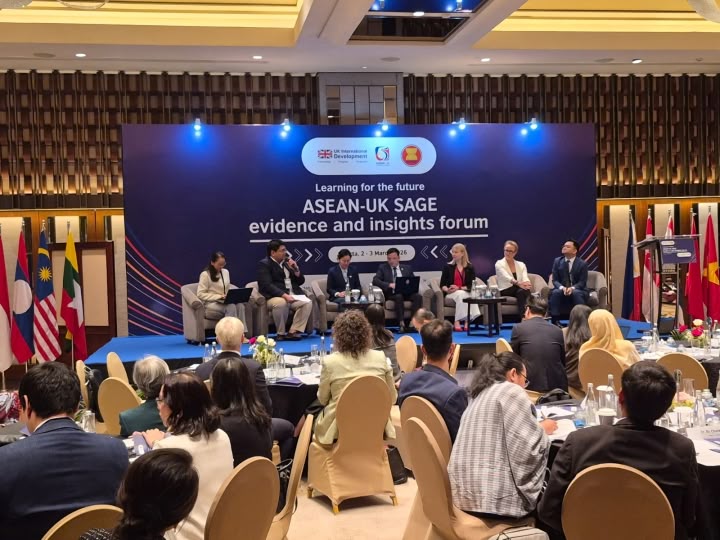
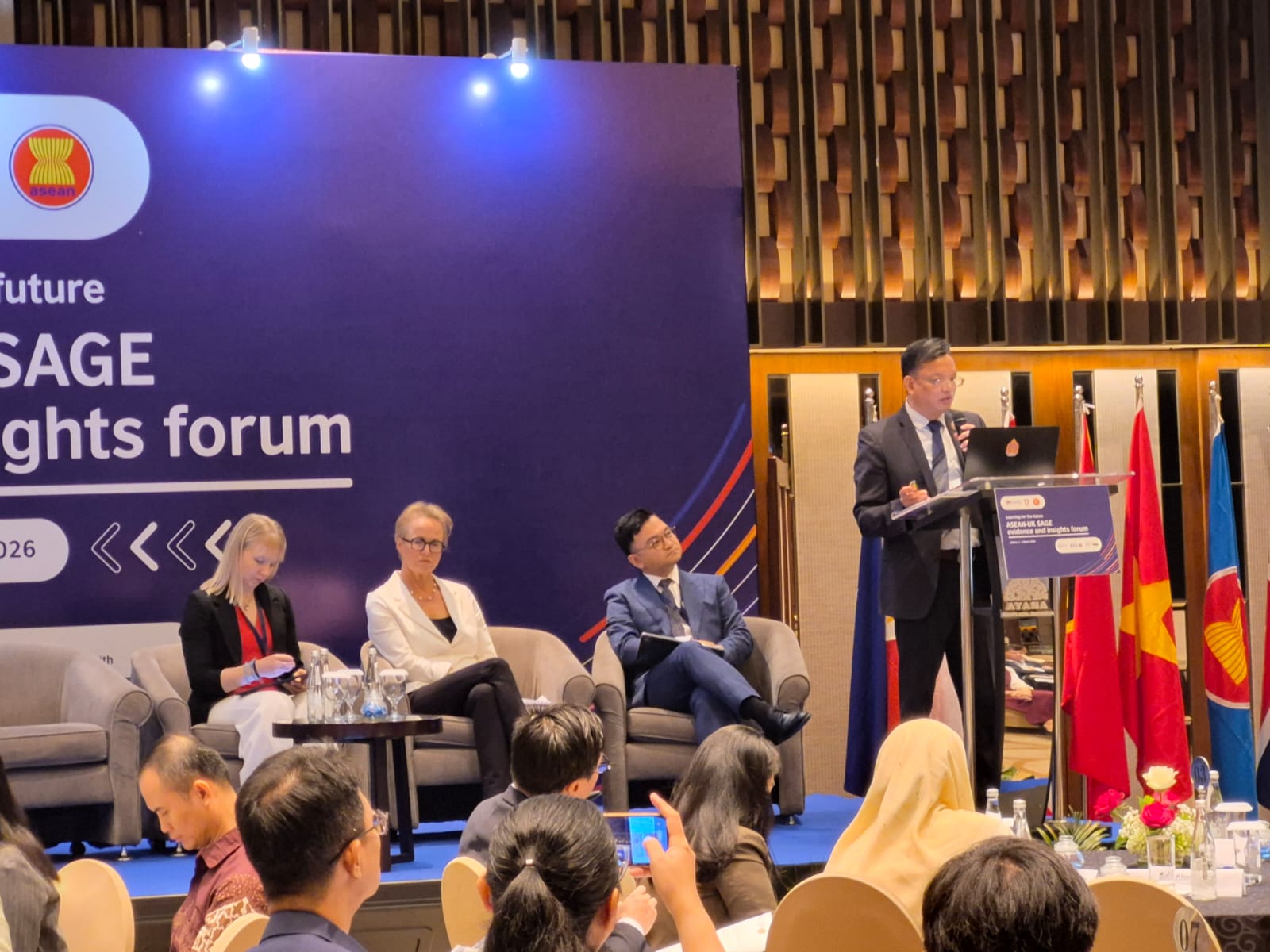
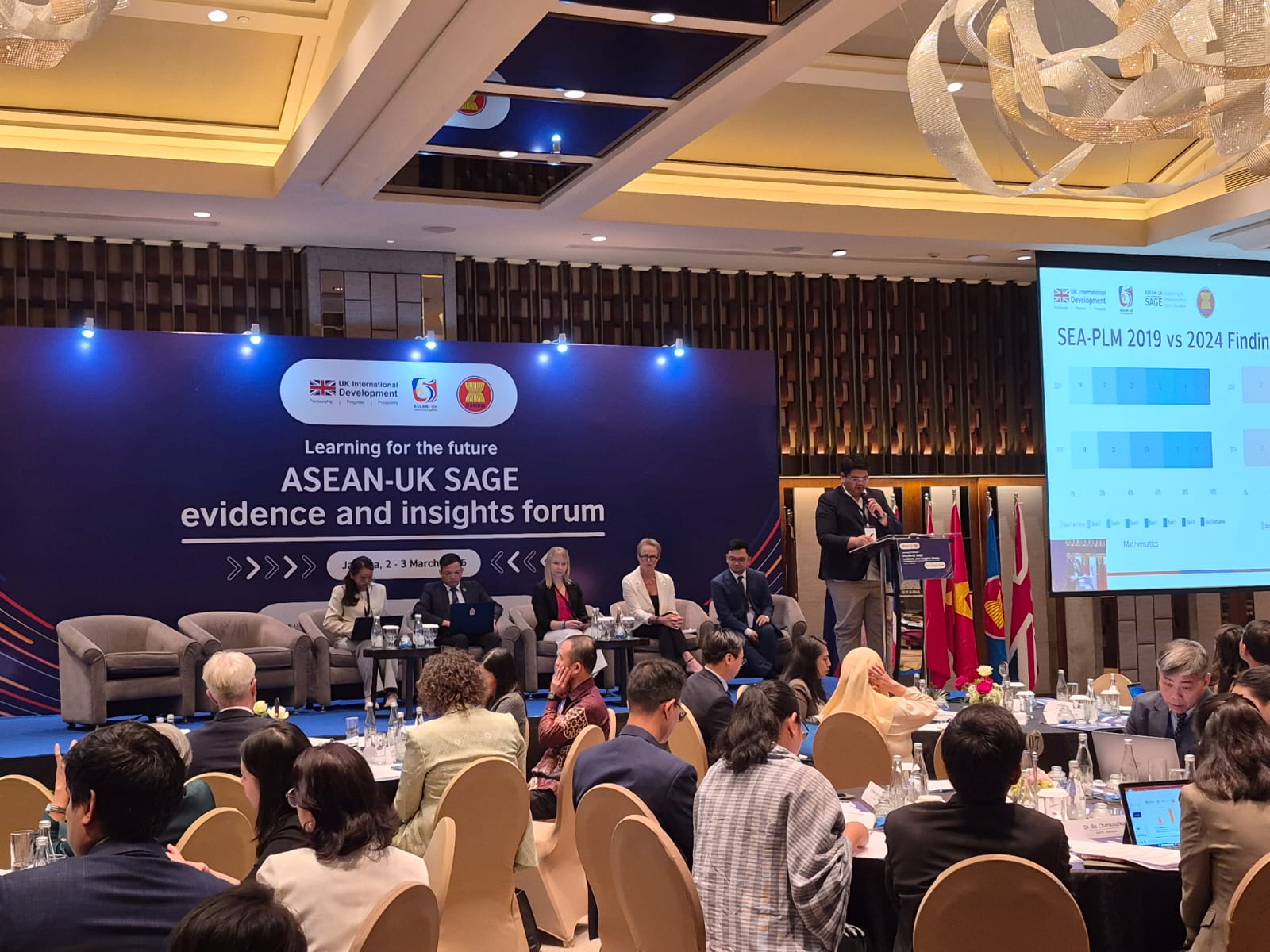
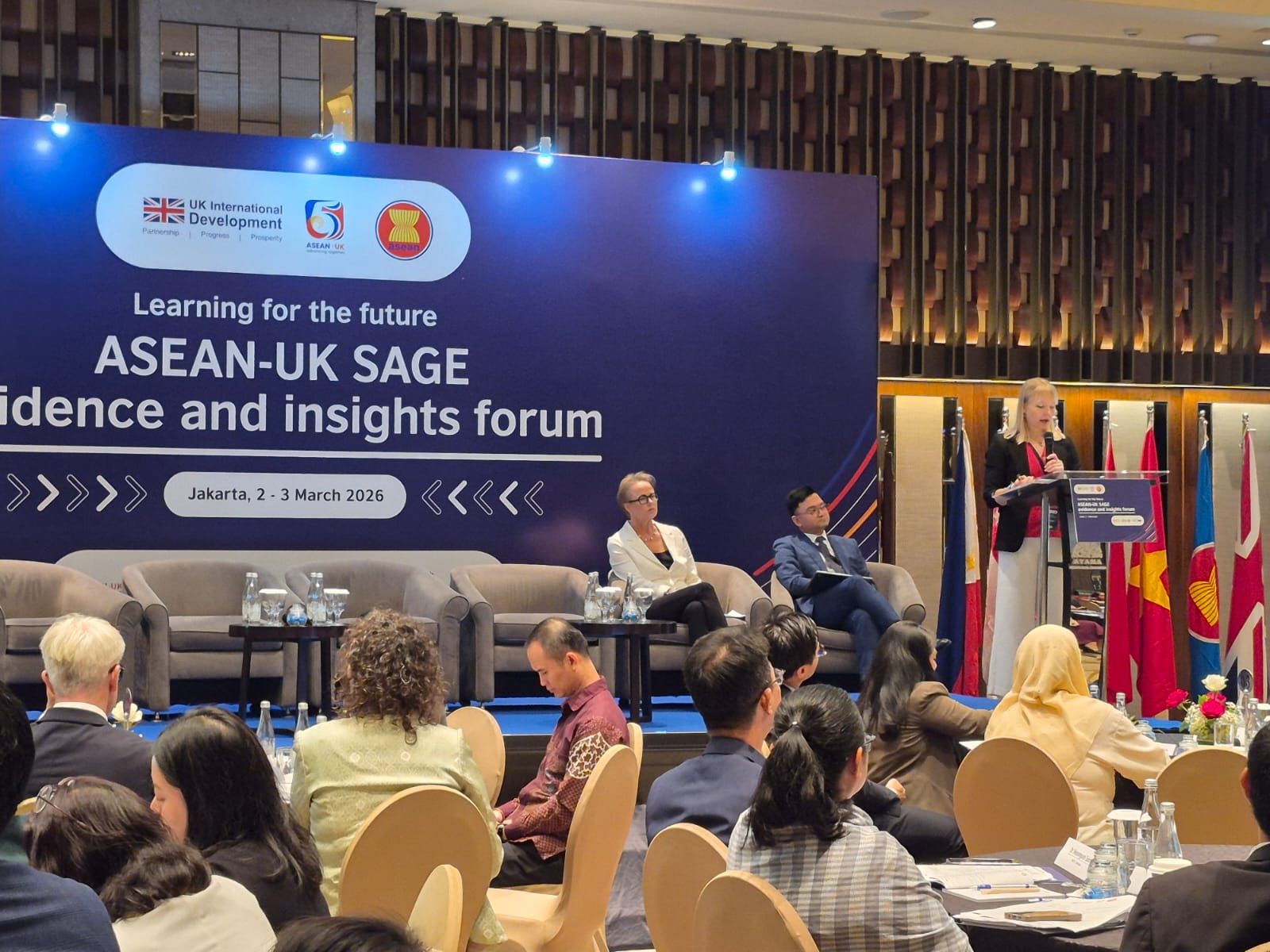
Jakarta, March 2026 - SEA-PLM convened a panel of representatives from participating countries at the Learning for the Future: ASEAN-UK SAGE Evidence and Insights Forum, held in Jakarta on 20 March, demonstrating Initiative 2 in action by translating data into concrete actions to strengthen systems and improve learning outcomes for all children.
SEA-PLM was featured as part of the Learning for the Future: ASEAN-UK SAGE Evidence and Insights Forum, held in Jakarta on 2–3 March 2026. The forum brought together policymakers, development partners, and education stakeholders to reflect on the future of learning in Southeast Asia and the role of evidence in shaping stronger education systems.
Throughout the forum, SEA-PLM contributed to the discussion not only as a source of regional learning data, but as a platform that supports countries in translating evidence into policy and practice. Its presence was reflected in both the policy discussions and the gallery walk, including a feature on the SEA-PLM Gender Report, the first regional secondary analysis research using the 2024 datasets.
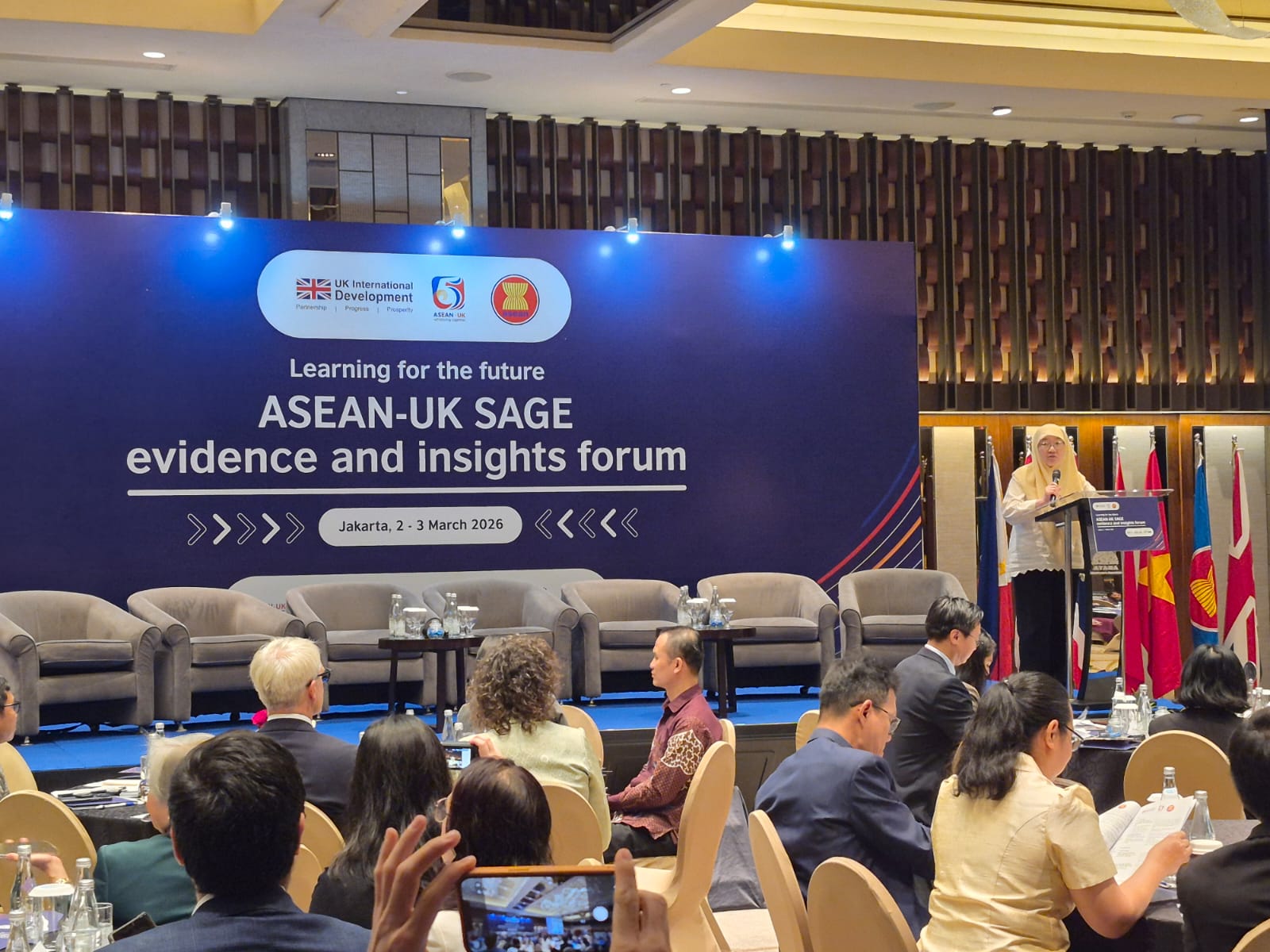
Datuk Dr Habibah Abdul Rahim from SEAMEO Secretariat, gave a remark during ASEAN-UK SAGE evidence and insights forum
In her opening remarks, Datuk Dr Habibah Abdul Rahim, Director of the Southeast Asian Ministers of Education Organization (SEAMEO) Secretariat, underscored the urgency of the moment. She noted that while Southeast Asia continues to grow economically and strengthen its global role, many children are still being left behind in education.
Drawing on recent regional evidence, she highlighted that SEA-PLM 2024 shows that one in two Grade 5 students in Southeast Asia is still not reading at the expected level. She also pointed to the wider challenge facing the region, with millions of children and youth still out of school. Her remarks served as a strong reminder that growth must be matched by real progress in learning and inclusion.
Datuk Dr Habibah also emphasized the value of SEA-PLM as a regional mechanism for monitoring progress towards Sustainable Development Goal 4. She noted that the findings from SEA-PLM 2024 point to continued learning challenges across the region, with reading outcomes remaining largely stagnant since 2019 and only a slight improvement seen in mathematics.
At the same time, she stressed that the results must be understood beyond averages. Learning continues to be shaped by factors such as socioeconomic background, language spoken at home, access to preschool, and the availability of textbooks and other learning materials. These patterns make clear that education inequality remains a central issue in the region.
The forum created space to move from evidence to action. Discussions explored how SEA-PLM findings are informing national responses and helping countries identify where support is most needed. Country experiences and technical sessions showed how data can support decisions on teaching, learning recovery, inclusion, and system improvement.
 |
|
|
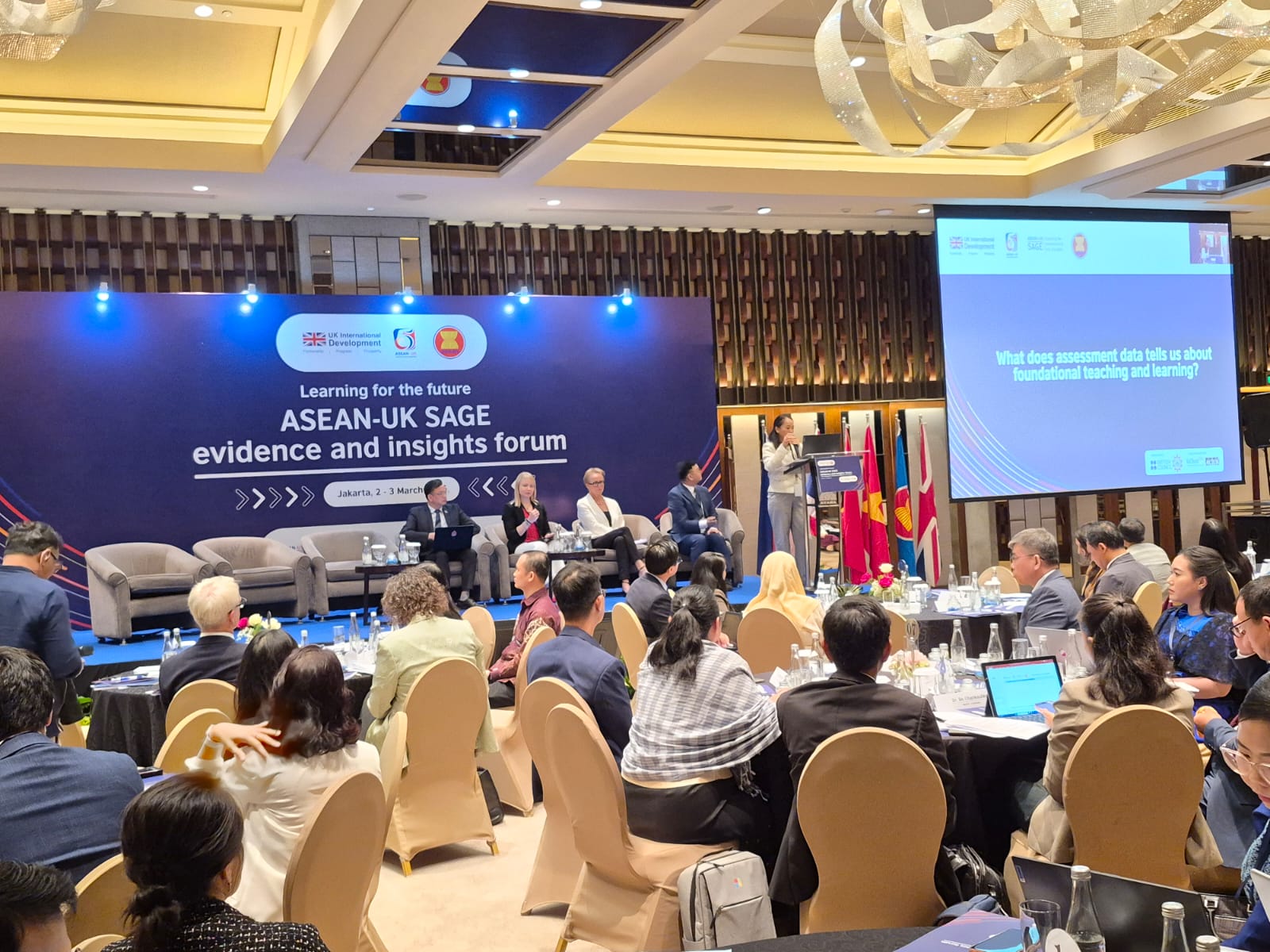
Mr Sar Sarin from Cambodia, Dr Kevin Carl P. Santos from the Philippines, and Ms Sitthattha Taikeophithoun from Lao PDR presented their respective countries' experiences in transforming SEA-PLM data into actions
The forum also created space to move from evidence to action. A key part of the discussion featured representatives from Ministries of Education who shared their country experiences in translating SEA-PLM data into policies and actions. Mr Sar Sarin from Cambodia, Dr Kevin Carl P. Santos from the Philippines, and Ms Sitthattha Taikeophithoun from Lao PDR reflected on how SEA-PLM findings have helped inform national responses and shape education priorities in their respective contexts.
Their participation added an important practical dimension to the forum. It showed that regional assessment data become most meaningful when it is used by countries to guide decisions, respond to persistent learning gaps, and strengthen reforms that are grounded in evidence.
 |
 |
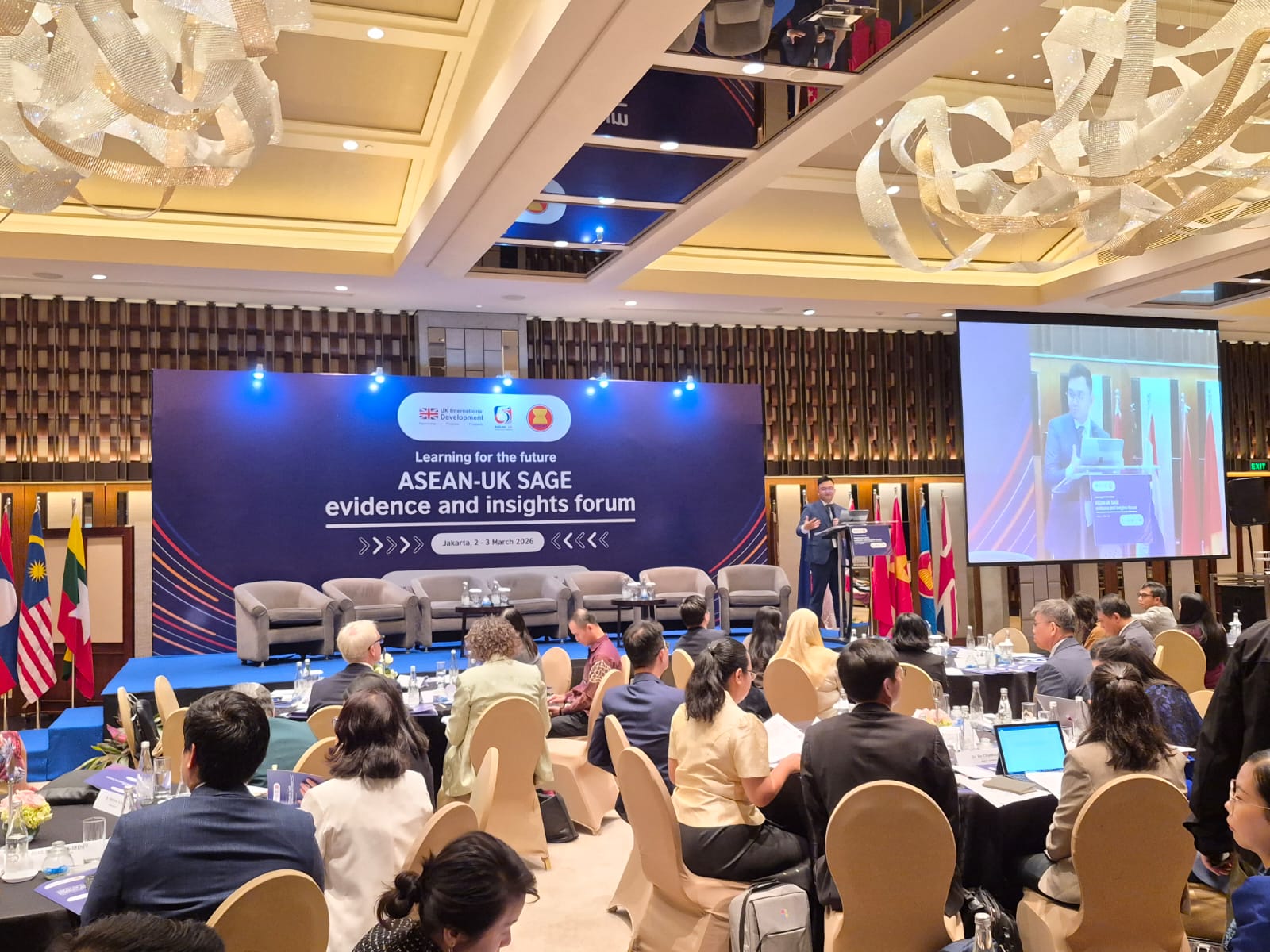
Mr Alejandro Sinon Ibañez, and Ms Linda Johnsson from the SEA-PLM Regional Secretariat presented the SEA-PLM 2024 regional results and key policy insights.
Mr Alejandro Sinon Ibañez, SEA-PLM Programme Manager, reinforced this point by highlighting the importance of connecting evidence with long-term reform. He emphasized that SEA-PLM continues to prepare for the transition from the 2024 cycle towards the next phase ,SEA-PLM 2029, allowing countries to track progress over time and respond with greater clarity.
He also stressed that the value of SEA-PLM lies not only in generating data, but in strengthening countries’ capacity to use it. This includes deepening policy exchange, technical mentoring, and collaboration across the region so that evidence can meaningfully inform targets, programme design, and reform priorities.
This forward-looking role is becoming increasingly important. More than a regional assessment, SEA-PLM continues to grow as a shared platform for cooperation, learning, and evidence-based policymaking among ASEAN Member States.
SEA-PLM’s contribution to the ASEAN-UK SAGE forum reflected that wider purpose. It showed that regional evidence can do more than describe learning outcomes. It can help countries ask better questions, identify persistent gaps, and shape more responsive education policies for the future. As the region looks ahead, the discussion in Jakarta offered a timely reminder: strong evidence matters because it helps ensure that progress in education is not only measured, but acted on.
–
SEA-PLM is supported by the UK Mission to ASEAN under the ASEAN-UK Supporting the Advancement of Girls’s Education (SAGE) Programme. Its content is the sole responsibility of the SEA-PLM Regional Secretariat and does not necessarily reflect the views of ASEAN-UK SAGE.
|
|
|
|
|
|
|
|
Strengthening Evidence Use: SEA-PLM Convenes National Meetings across participating countries
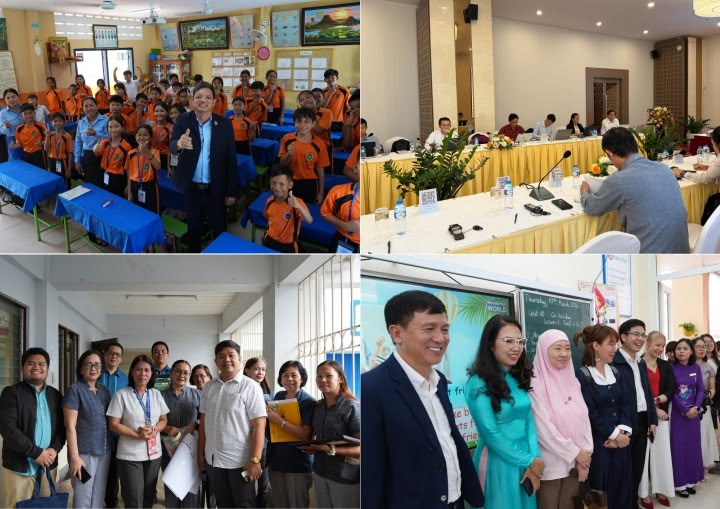
Bangkok, March 2026 - A series of SEA-PLM country planning meetings and National Steering Committee meetings in Cambodia, Lao PDR, the Philippines, and Viet Nam brought ministries, technical teams, and partners together to examine the 2024 results, reflect on SEA-PLM Initiative 2, and map out what needs to happen next to strengthen foundational learning across the region. Initiative 2: Evidence-to-Policy linkages is SEA-PLM's new programme strategy in supporting countries to translate SEA-PLM evidence into meaningful actions through policy dialogues, research, capacity development, and effective interventions.
While each country meeting responded to a different national context, the shared direction was clear. SEA-PLM evidence is being brought closer to national priorities, not only to understand what students know and can do, but also to inform curriculum reform, teacher support, assessment practices, and classroom-level action.
 |
 |
 |
 |
SEA-PLM Country Planning meeting in VietNam, Cambodia, Lao PDR, and The Philippines
In the Philippines, discussions focused on how SEA-PLM evidence can continue to support national education reforms. Through Initiative 2, the country has been working to strengthen teachers’ skills in assessment through capacity-building workshops and curriculum mapping exercises. The meeting also provided space for stakeholders to look more closely at the country’s results and discuss what they mean for curriculum reform, teaching and learning, and assessment practices. The discussion underscored the need to keep “moving the needle forward on foundational learning.”
In Lao PDR, the conversation centred on how SEA-PLM evidence can be systematically used to support the national education reform currently underway, particularly within the 6+3+3 structure. Discussions explored how findings from SEA-PLM can inform reform priorities through Initiative 2, with an emphasis on item-by-item analysis to generate more detailed insights into student performance in reading and writing. These insights can help identify specific learning gaps that may be addressed through curriculum refinement and targeted interventions. Participants also highlighted the importance of connecting the evidence with continuous professional development for teachers, so that training can be sustained and translated into classroom practice over time.
In Cambodia, the planning discussions were closely linked to implementation. Participants reflected on writing instruction, school improvement, assessment practices, and the need to better understand what is happening in classrooms and why. The meeting showed strong interest in turning SEA-PLM evidence into more practical guidance for teachers and schools. One reflection pointed to the importance of helping teachers “translate the band into teaching guidance and how to teach better,” showing the need to make assessment findings more useful for classroom practice.
In Viet Nam, the meeting looked strongly to the future. Discussions connected SEA-PLM evidence with the implementation of the 2018 curriculum, the shift toward student-centred learning, teacher training, digital transformation, and support for more inclusive education. Viet Nam also used the meeting to explore how Initiative 2 can respond to national priorities while contributing to the broader regional agenda ahead.
 |
 |
 |
 |
SEA-PLM Regional Secretariat and National Team during the discussions
At the same time, the regional discussion went beyond the countries that hosted meetings in March. SEA-PLM’s 2026 workplan, presented at the Philippine meeting, noted that the planning and National Steering Committee discussions in Cambodia, Lao PDR, the Philippines, and Viet Nam would be followed by consultations with Myanmar and Malaysia. The update also highlighted capacity building on Curriculum Mapping as part of the agenda. This shows that even when SEA-PLM was not holding an in-country meeting in March, the process continued through regional consultations and curriculum-focused work. These efforts help connect assessment results with curriculum improvement and classroom practice.
In Cambodia, participants spoke about the value of helping teachers “translate the band into teaching guidance and how to teach better,” pointing to the need to make assessment findings more useful in the classroom. In the Philippines, the discussion underscored the need to keep “moving the needle forward on foundational learning,” while in Lao PDR the concern returned to how training can be sustained and translated into practice over time. Viet Nam, meanwhile, pushed the conversation toward how evidence can better support curriculum reform, teacher development, and stronger learning outcomes.
Taken together, the country planning meetings showed how SEA-PLM is becoming a more active platform for policy reflection and learning across the region. The value of SEA-PLM now lies not only in producing regional data, but in helping countries ask the next questions: what the results mean, where the learning gaps are, what reforms are already underway, and how evidence can support more targeted action.
As countries prepare for the next regional discussions and the road to SEA-PLM 2029 begins to take shape, the call from these meetings is clear. Keep the dialogue active, keep the evidence close to policy, and make sure the next steps lead back to the classroom, where foundational learning is shaped every day.
–
SEA-PLM is supported by the ASEAN-Korea Cooperation Fund (AKCF) and the UK Mission to ASEAN under the ASEAN-UK Supporting the Advancement of Girls’ Education (ASEAN-UK SAGE) Programme. Its content is the sole responsibility of the SEA-PLM Regional Secretariat and does not necessarily reflect the views of AKCF and ASEAN-UK SAGE.”
|
|
|
|
|
|
|
|
SEA-PLM Launches the 2024 Main Regional Report on Foundational Learning in Southeast Asia

Pasay, December 2025 - Education leaders, partners, and stakeholders from across Southeast Asia gathered in Manila not only to mark the launch of the SEA-PLM 2024 main regional report, but to renew a shared commitment: that every child deserves the chance to build strong foundations in reading and mathematics.
Organized by SEA-PLM Regional Secretariat, led by the SEAMEO Secretariat and UNICEF East Asia and Pacific Regional Office (EAPRO), with the generous support of the UK Government through the ASEAN-UK SAGE programme, and hosted by the Philippine Department of Education (DepEd), the SEA-PLM 2024 Main Regional Report Launch brought together more than a hundred participants from SEA-PLM participating countries (Cambodia, Lao PDR, Malaysia, Myanmar, the Philippines, and Viet Nam), as well as honorary countries Brunei Darussalam, Thailand, and Timor-Leste, alongside a wide wide community of regional and international partners.
The event marked the culmination of SEA-PLM’s second cycle and created space for a conversation that felt both technical and deeply human. Behind every chart and trendline, participants were reminded of real classrooms, real teachers, and real children navigating learning in a post-pandemic and rapidly changing world.
In his opening remarks, Mr Kamal Mamat, Assistant Director, Education, Youth and Sports Division, ASEAN Secretariat underscored that SEA-PLM’s value lies not only in measurement, but in meaning, particularly as the region shapes its future education priorities. His words resonated strongly with the audience, “each data point represents an individual child with potential and dreams”.
 |
 |
(Left) H.E. Mr Sonny Angara, Secretary, Department of Education, Philippines. (Right) Mr Kamal Mamat, Assistant Director, Education, Youth and Sports Division, ASEAN Secretariat
That same spirit carried through the launch ceremony itself. Delegates and partners assembled a puzzle board to symbolize how progress in foundational learning is built, piece by piece, country by country, through collective responsibility. The visual reinforced the idea that improving education opportunities and shaping students’ futures in Southeast Asia requires sustained collaboration across systems and borders. This aligns with the remarks of His Excellency Secretary Sonny Angara where he noted “the spirit of regional cooperation, noting that ASEAN education has always been about “community rather than competition.”
 |
 |
Acknowledgement and appreciation to the Governments of the United Kingdom, represented by Ms Isla Gilmore, Education Adviser, UK Mission to ASEAN, and the Republic of Korea, represented by Mr Jeung Kwan Seo, First Secretary & Infrastructure Attache, Embassy of the Republic of Korea in Manila
Support from partners was reaffirmed throughout the launch. The SEA-PLM Secretariat recognised the role of the Republic of Korea through the ASEAN-Korea Cooperation Fund (AKCF) and the United Kingdom through the ASEAN-UK SAGE Programme in making the work possible. In particular, the Republic of Korea reiterated its commitment through “continued funding and technical support” for SEA-PLM 2029, alongside partner institutes helping translate evidence into policy and practice. The UK Mission to ASEAN also framed the 2024 Regional Report as a “call to action” urging stronger commitment to evidence-based policy-making and keeping foundational learning at the centre of national development.
SEA-PLM 2024 Tracks Learning Recovery and Equity Gaps in Southeast Asia
A major highlight of the day was the presentation of SEA-PLM 2024 results by the SEA-PLM Regional Secretariat. The session explained how student proficiency is captured through SEA-PLM proficiency bands, and how the distribution of learners across these bands informs both policy and classroom practice. Importantly, SEA-PLM announced that all six participating countries now have reliable, internationally recognised data points for SDG 4.1.1b—minimum proficiency in reading and mathematics. Using this benchmark, the regional picture shows both progress and urgency: 53% of Grade 5 learners meet minimum proficiency in reading, and 68% meet minimum proficiency in mathematics, compared with 46% in reading and 56% in mathematics in 2019.

Mr Alejandro Sinon Ibanez, Mr Antoine Marivin, and Ms Linda Johnsson from the SEA-PLM Regional Secretariat presented the SEA-PLM 2024 regional results and key policy insights.
Between 2019 and 2024, regional trends present a mixed story. While mathematics outcomes improved, reading performance remained largely unchanged. Gains were most visible among higher-performing students, while many learners remain clustered in the lower bands, underscoring the need to strengthen basic competencies and accelerate progress for those furthest behind.
From this evidence, three clear implications emerged:
- target investment where disadvantage is concentrated;
- strengthen system resilience in the face of uncertainty; and
- accelerate progress for learners at low proficiency levels, including out-of-school children.
 |
 |
 |
 |
Participants, partners, and education stakeholders during SEA-PLM 2024 Main Regional Launch.
Equity remains the unfinished agenda
SEA-PLM 2024 findings reaffirm that equity challenges persist across gender, socio-economic status, access to early childhood education, and language spoken at home. The learning gap between students from the lowest and highest socio-economic quartiles reaches up to two years, while children who attended early childhood education outperform their peers by as much as one year of learning by the end of primary school.
Participants stressed that even when average performance improves, disparities can remain—or widen—if equity is not addressed explicitly. As a result, the message repeated throughout the day was not simply to raise scores, but to raise the floor and close the gaps through inclusive and gender-responsive systems, adequate resourcing for disadvantaged learners, and stronger alignment between language-of-instruction policies and learners’ home languages.
More than an assessment
Throughout the launch, SEA-PLM was repeatedly framed not as a one-off study, but as a shared regional mechanism for learning and reform. Datuk Dr Habibah Abdul Rahim, Director, SEAMEO Secretariat described SEA-PLM in simple, powerful terms: “SEA-PLM is more than an assessment, it is a regional public good.” In closing the ceremonial launch, she emphasised that the day was about more than unveiling evidence. It was a reaffirmation that every child deserves essential skills—and that the findings demand bold leadership, strategic investment, and consistent use of evidence
She also announced that preparations are underway for the SEA-PLM Multi-Annual Strategic Plan 2026–2031, including the third assessment cycle, SEA-PLM 2029, aligned with SDG 2030 targets. As she reminded participants, “Evidence must lead to action, and action must lead to meaningful change.”
 |
 |
Datuk Dr Habibah Abdul Rahim from SEAMEO Secretariat, and Ms Mitsue Uemura from UNICEF EAPRO gave an opening and closing remarks.
From Evidence to Practice
To move beyond headlines and into implementation, the launch featured three thematic breakout sessions focusing on: School leadership and teaching and learning, Gender, equity, and inclusion, and Scaling up foundational learning,
These sessions linked SEA-PLM evidence with promising initiatives and practical examples of what works in real education systems.
The day concluded with a strong sense of forward momentum. The SEA-PLM Regional Secretariat shared plans to develop a set of regional recommendations based on SEA-PLM 2024, feeding into a future regional declaration on foundational learning and the ASEAN Education Sector Workplan. Further analyses are also planned, including reporting on the writing domain in early 2026 and additional secondary analyses with partners and researchers.
In her closing remarks, Ms Mitsue Uemura (UNICEF EAPRO) returned to a metaphor echoed throughout the day: SEA-PLM results as a “compass.” A compass, she noted, only matters if it is used collectively—by coordinating efforts, sharing resources, and regularly checking progress.
She closed with an aspirational vision of Southeast Asia becoming the fastest-improving region globally in ensuring every child learns, anchored in the words of a learner shared earlier that day: “Let’s keep learning. Let’s keep moving.”
–
SEA-PLM is supported by the ASEAN-Korea Cooperation Fund (AKCF) and the UK Mission to ASEAN under the ASEAN-UK Supporting the Advancement of Girls’ Education (ASEAN-UK SAGE) Programme. Its content is the sole responsibility of the SEA-PLM Regional Secretariat and does not necessarily reflect the views of AKCF and ASEAN-UK SAGE.”
|
|
|
|
|
|
|
|
More...
Malaysia advances Evidence-to-Policy action through SEA-PLM Initiative 2 Strategic Workshop
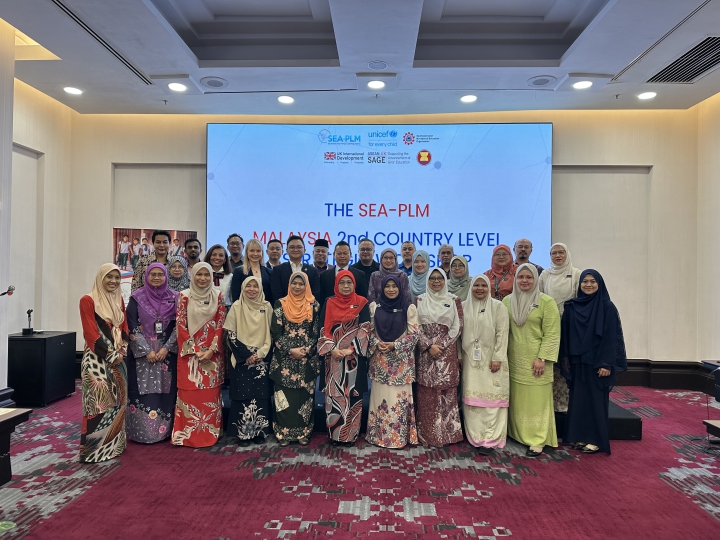
Putrajaya, October 2025 - Malaysia convened its second SEA-PLM Country-Level Strategic Workshop under Initiative 2: Evidence-to-Policy Linkages, bringing together policymakers, technical experts, and development partners to translate learning evidence into concrete classroom-level improvements.
Convened in Putrajaya on 16–17 October 2025, the workshop built on Malaysia’s first country-level workshop held in May 2025 and aligned national priorities with the upcoming SEA-PLM 2024 Main Regional Report. The sessions were co-facilitated by the SEA-PLM Regional Secretariat, SEAMEO Secretariat, and UNICEF East Asia and Pacific Regional Office (EAPRO), fostering cross-sector collaboration to connect data, policy, and delivery. The workshop was made possible with the generous support of the ASEAN-UK SAGE programme.
The focus of the workshop was turning these insights into action. Malaysia tabled the Foundational Literacy and Numeracy Expertise Enhancement Programme (FLNEEP) under Initiative 2, aiming to build a cadre of 100 teachers and trainers able to design high-quality assessment items aligned to international large-scale assessment frameworks. The proposal includes exploring responsible AI integration for item generation, coupled with expert review to ensure quality and appropriate difficulty, and complementary capacity building on differentiated pedagogy, fun learning, and 21st-century classroom practices. The team also highlighted the value of adapting learning materials so teachers can continually tailor instruction to the range of abilities in their classrooms.
Opening the workshop, the SEAMEO Secretariat underscored the importance of aligning national action plans with regional timelines. Key priorities included finalising Initiative 2 interventions, completing System-Level Questionnaire (SLQ) Module 3, strengthening coordination through the National Steering Committee (NSC), and synchronising communications ahead of the regional report’s release.
Workshop discussions created space for reflection on what the SEA-PLM data reveal about Malaysia’s education system. Malaysia’s multilingual context, where Malay, Chinese, Tamil, and English are used as languages of instruction, remains a source of inclusion and cultural strength, but also presents instructional challenges when learners’ home language differs from the language used in school.
SEA-PLM 2024 regional findings indicate performance gaps in reading and mathematics between students whose home language matches the language of instruction and those for whom it does not. These patterns highlight the need for sustained and targeted linguistic support, particularly in the early grades.
Participants also revisited the lasting impacts of the COVID-19 pandemic and other school disruptions and challenges. While Malaysia’s no-repetition policy supported student wellbeing and continuity, participants agreed that targeted remediation is now essential to prevent early learning gaps from becoming entrenched.
 |
 |
 |
 |
(Left to right) Dr Shamsuddin Mohamad, Dr Nor Saidatul Rajeah binti Zamzam Amin, Mr Azhar bin Mohd Khairy from Ministry of Education Malaysia, Ms Linda Jönsson from UNICEF EAPRO

Participants of 2nd Country Workshop Malaysia
In the coming months, Malaysia will complete SLQ Module 3, finalise its national report and policy briefs under NSC guidance, and prepare for the preliminary national launch on 5 December 2025, followed by a formal national dissemination event. Pilot activities for FLNEEP will also begin, with practical monitoring to document early lessons and inform scale-up.
This second country-level workshop marks a pivotal step in transforming analysis into action—strengthening learning foundations in reading and mathematics for Grade 5 students. Malaysia’s Initiative 2 agenda is more than a policy roadmap; it represents a clear commitment to ensuring that evidence leads to fairer opportunities and better learning outcomes for every learner.
–
SEA-PLM is supported by the UK Mission to ASEAN under the ASEAN-UK Supporting the Advancement of Girls’ Education (ASEAN-UK SAGE) Programme. Its content is the sole responsibility of the SEA-PLM Regional Secretariat and does not necessarily reflect the views of ASEAN-UK SAGE.
|
|
|
|
|
|
|
|
Philippines Strengthens Evidence-to-Policy Linkages Through 2nd SEA-PLM Country Workshop

Manila, October 2025 - The Philippines convened its 2nd SEA-PLM Country-Level Strategic Workshop and National Steering Committee (NSC) Meeting to advance Initiative 2: Evidence-to-Policy Linkages, a regional effort designed to translate SEA-PLM data into actionable education reforms. The workshop is part of a continuing series sustaining country engagement following the 2024 main survey and preparing stakeholders for upcoming regional milestones. The workshop was made possible with the generous support of the ASEAN-UK SAGE programme.
The two-day workshop pursued four key objectives: to review and finalize national action plans and interventions under Initiative 2; to strengthen collaboration on SEA-PLM 2024, including the System-Level Questionnaire (SLQ); to convene the NSC for consideration of results and implications; and to align on forthcoming activities such as the regional report launch and related policy recommendations. Technical sessions were complemented by policy discussions through the NSC to ensure coherent strategies from the classroom to the system level.
The SEA-PLM Regional Secretariat presented the System-Level Questionnaire (SLQ) modules implemented in the 2024 survey, showcasing sample contextual indicators. Discussions focused on interpreting measures such as pre-primary and primary “life expectancy,” assessing instructional exposure (including shadow education), and aligning ILSA frameworks with the K–12 curriculum. The Bureau of Curriculum Development was invited to share its curriculum mapping paper to support these efforts.
DepEd officers outlined the newly enacted ARAL Law, which mandates daily literacy and numeracy sessions of 30–45 minutes, supported by teacher upskilling and adjusted workloads. Updates were also shared on the developments of language policy within the Department.
 |
 |
 |
 |
(Left to right) Ms Gretchen Cordero, Dr Kevin Carl Santos From Department of Education Philippines, Mr Alejandro Ibanez from SEA-PLM Regional Secretariat, Ms Linda Jönsson from UNICEF EAPRO
The National Steering Committee was formally recognized as an advisory body to DepEd on ILSA analysis, technical guidance, and evidence-based decision-making. Members underscored the importance of close coordination with technical working groups to ensure that SEA-PLM data informs classroom practice.
Priority follow-up analyses identified include a 2026 Language Policy Brief, learning-loss metrics, and deeper studies on the effects of early childhood education (ECCE) and socio-economic status (SES) on learning outcomes. The NSC also proposed developing a learner profile for “Type 2” low-performing students to guide targeted interventions. In addition, the committee agreed to channel SEA-PLM 2024 results into EDCOM2’s Year 3 report, following an agreed process that upholds embargo rules.
Participants reviewed regional trends from 2019 to 2024, methodological updates, and population-coverage variance, committing to further analysis using administrative and EMIS data. They noted stagnation among students in the lowest reading proficiency band and highlighted the need for enhanced support for emergent readers. The group also discussed the suitability of Band 6 thresholds for SDG reporting and proposed stronger alignment between SEA-PLM reporting and SDG 4 indicators.

Teacher, parent, and student with representative of DepEd, SEA-PLM Regional Secretariat, and UNICEF EAPRO at the Santolan Elementary School
To conclude the programme, representatives from DepEd, the SEA-PLM Regional Secretariat, and UNICEF EAPRO visited Santolan Elementary School to observe classroom practices and hear from teachers, parents, and students about strengthening foundational literacy and numeracy.
The meeting ended with consensus to convene the next NSC session—beginning with the PISA Committee—to seek guidance on the national report, finalize the Initiative 2 project proposal, and organize a joint discussion among EDCOM2, the national team, and the Regional Secretariat on integrating SEA-PLM findings into EDCOM2’s ongoing policy review.
–
SEA-PLM is supported by the UK Mission to ASEAN under the ASEAN-UK Supporting the Advancement of Girls’ Education (ASEAN-UK SAGE) Programme. Its content is the sole responsibility of the SEA-PLM Regional Secretariat and does not necessarily reflect the views of ASEAN-UK SAGE.
|
|
|
|
|
|
|
|
Cambodia convenes SEA-PLM National Steering Committee to advance evidence-to-policy agenda
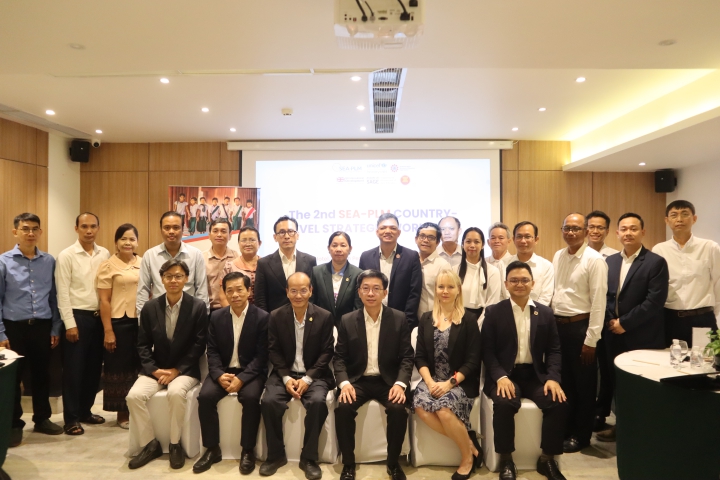
Phnom Penh, October 2025 - Cambodia convened its 2nd SEA-PLM Country-Level Strategic Workshop in Phnom Penh on 6 - 7 and 9 October 2025, advancing a shared commitment to use assessment evidence to strengthen classroom teaching and learning. The workshop formed part of Initiative 2: Evidence-to-Policy Linkages, the programme stream designed to translate SEA-PLM results into practical, system-level actions. This 2nd country-level strategic workshop and National Steering Committee Meeting are made possible with the generous support of the ASEAN-UK SAGE programme.
Day 1 focused on SEA-PLM programme updates and discussed the 2024 regional preliminary results, including Cambodia’s preliminary 2024 country snapshots. Day 2 convened the NSC meeting with a bilateral meeting and continued consultations with the SEA-PLM Regional Secretariat. Day 3 was dedicated to follow up on the System-Level Questionnaire (SLQ) with clarifications on Modules 2 and 3 to ensure Cambodia’s system-level inputs are precise and policy-relevant.
 |
 |
H.E Borat Oung - Secretary of State and Head of the Cabinet of Deputy Prime Minister, Ministry of Education, Youth and Sport Cambodia. Ms Linda Jönsson - Education Specialist UNICEF EAPRO gave opening remarks on the workshop
Ministry leadership emphasised sustained, evidence-based reform thanking the SEA-PLM Secretariat for supporting the National Action Plan and for convening the NSC. Participants used the workshop to align next steps and to coordinate responses to the SLQ Module 3 across relevant technical offices.
On planning, Cambodia set a 12 December 2025 target for the National Report, positioned ahead of the regional report launch. Deliberations stressed benefits for teachers, curriculum strengthening, and processes that embed continuous data use in schools.
Meeting on Day 2 under the chairmanship of H.E. Puth Samith, the NSC received its first formal briefing on Cambodia’s SEA-PLM results and consolidated direction across policy and technical streams. The Committee called for deeper analysis of national datasets (including student–teacher ratios), inclusion of cross-country policy insights in the national report, and stakeholder consultations before finalising the National Action Plan.
As part of the extended programme, Day 4 featured an advanced System-Level Questionnaire session with assessment expert Dr Victor Fei Lim, offering practical guidance on indicator design and interpretation for policy use.

Meeting with National Steering Committee during technical working group meeting
To maintain momentum, the NSC agreed to: convene a Technical Working Group meeting the following week and hold a follow-up NSC meeting to be chaired by the Deputy Prime Minister by the end of October to validate the national roadmap and shape the policy response for the regional launch.
The NSC also steered Initiative 2 toward direct classroom benefit: positioning the national technical team as trainers in MOEYS’ capacity-building efforts, integrating SEA-PLM concepts into pre- and in-service teacher training (including higher-order item design), and conducting curriculum mapping to support targeted teaching.
With a clear report timeline, concrete analytical directions, and senior-level ownership through the NSC, Cambodia is tightening the link between evidence and action—ensuring that SEA-PLM results inform teacher development, curriculum enhancement, and continuous improvement in schools.
–
SEA-PLM is supported by the UK Mission to ASEAN under the ASEAN-UK Supporting the Advancement of Girls’ Education (ASEAN-UK SAGE) Programme. Its content is the sole responsibility of the SEA-PLM Regional Secretariat and does not necessarily reflect the views of ASEAN-UK SAGE.
|
|
|
|
|
|
|
|
Evidence-to-Action: Timor-Leste Advances SEA-PLM in the 2nd Strategic Workshop
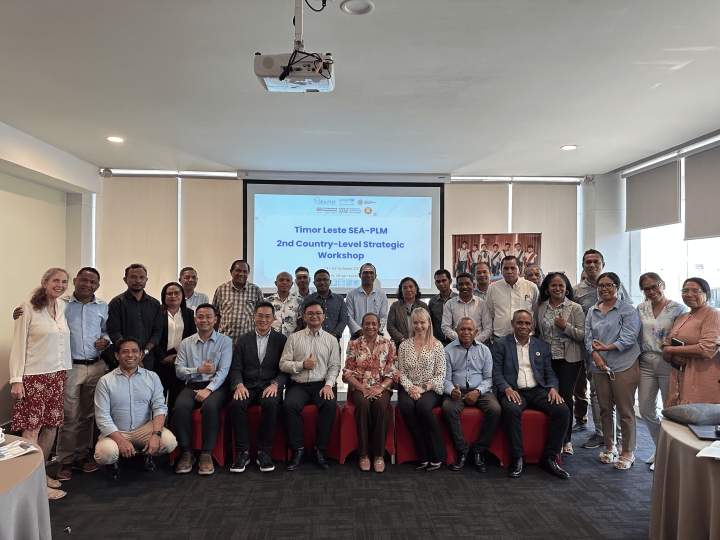
Bangkok, November 2025 - Timor-Leste marked a significant milestone in its engagement with the Southeast Asia Primary Learning Metrics (SEA-PLM) programme by hosting the 2nd Country-Level Strategic Workshop. Held from 1–3 October 2025 in Dili, the event built on the momentum of the first workshop in February 2025 and demonstrated growing interest in the importance of data and evidence in driving meaningful reforms and actions in the basic education system. .
In his opening remarks, Mr Apolinario Serpa Rosa, Director General of the Ministry of Education Timor-Leste stressed that “assessment results must be translated into improved learning for every child, not remain at the technical level.” He urged central and municipal counterparts to use SEA-PLM results to inform decision-making, emphasizing the need to integrate data into existing Ministry programmes, especially those supporting schools directly.
The SEA-PLM Regional Secretariat echoed this view, describing the series of in-country workshops as a “crucial juncture” where countries transition from data generation to policy and programme application.

Mr. Apolinario gave an opening remark in the workshop
The first day of the workshop featured an update from the SEA-PLM Secretariat on the 2024 survey cycle, including guidance on the embargoed status of results until the regional launch in December 2025. The briefing explained the proposed structure of the forthcoming regional report, emphasizing that national reports should complement rather than duplicate its scope.
A key message highlighted: countries that targeted the lowest-performing learners saw greater improvements and demonstrated stronger resilience in improving overall learning outcomes..
A participant from the National Directorate of Planning, Budget and Statistics remarked during the plenary discussion “This is the first time we clearly see how regional data can speak to our own plans. If we communicate it properly within the Ministry, SEA-PLM will not only be a report, it will inform our Saturday classes, remedial initiatives, and teacher mentoring.” This testimony illustrates an emerging national understanding that assessment should feed directly into existing Ministry mechanisms.
Day two focused on Initiative 2, a regional mechanism designed to support countries in piloting and scaling interventions informed by SEA-PLM evidence. Timor-Leste presented its working proposal titled “Learning Recovery Support for Low-Performing Schools Identified in the SEA-PLM Study.” The project includes: Development of literacy and numeracy recovery materials aligned with the national curriculum, Coaching, mentoring, and ICT-enabled support for teachers and school leaders, Establishment of a local support system to sustain improvements beyond the project period
A technical session on the School Learning Questionnaire (SLQ), facilitated by an expert from Singapore, allowed reflection on key policy dimensions such as teacher recruitment, bilingual instruction models, and in-service support. Timor-Leste’s unique bilingual context, Portuguese as the primary language with Tetum support and EMULI for local-language transition, was noted as both a challenge and opportunity, particularly in early-grade literacy.

(Left to right: Ms. Aly Nguyen - SEA-PLM Regional Secretariat, Dr Yew Leo Wong - National Institute of Education, Nanyang Technological University , Mr. Alejandro Ibanez SEA-PLM Regional Secretariat, H.E. Ms. Dulce de Jesus Soares - Minister of Education in Timor-Leste, Ms Linda Jonsson - UNICEF EAPRO, Mr Anwari - SEA-PLM Regional Secretariat
The workshop also convened the first meeting of the National Steering Committee (NSC) for SEA-PLM, which will oversee the conduct of SEA-PLM activities at the country-level,, manage national report drafting (with support from UNICEF Timor-Leste), and supervise the rollout of Initiative 2. The Ministry committed to share NSC’s Terms of Reference, membership, and calendar with the Regional Secretariat, and expressed interest in involving universities for deeper policy analysis.
A school visit capped the workshop, demonstrating how data-driven insights are beginning to inform local teaching and school management practices.
 |
|

Representative from Ministry of Education in Thailand and Brunei Darussalam participate in the capacity building workshop in SEA-PLM 2024 data analysis
The Timor-Leste workshop is fully aligned with the broader SEA-PLM 2024 country-support sequence taking place in the second half of 2025, which aims to: sustain national engagement after data collection, finalise country-level components of the Initiative 2 pipeline, and prepare all participating countries for the December 2025 regional launch. The Second Country-Level Strategic Workshop in Timor-Leste demonstrated that national ownership of learning-assessment data is growing to build a clearer understanding of how to position SEA-PLM findings within the Ministry’s broader reform agenda.
–
SEA-PLM is supported by the UK Mission to ASEAN under the ASEAN-UK Supporting the Advancement of Girls’s Education (SAGE) Programme. Its content is the sole responsibility of the SEA-PLM Regional Secretariat and does not necessarily reflect the views of ASEAN-UK SAGE.
|
|
|
|
|
|
|
|