SEA-PLM 2024 Main Survey rolls out in Lao PDR, the Philippines, and Viet Nam
Bangkok, 31 May 2024 - Following the success of the 2023 Field Trial, the SEA-PLM programme launched its 2024 Main Survey, with Lao PDR, the Philippines, and Vietnam leading the first batch of implementation.
More than 20,000 students and parents, along with over a thousand teachers from more than 500 randomly selected schools across these countries, are contributing to the comprehensive monitoring of student learning outcomes in basic education. SEA-PLM is supported by the ASEAN-Korea Cooperation Fund.
Utilizing regionally-developed instruments on reading, writing, and mathematics including global citizenship, alongside contextual questionnaires, the 2024 Main Survey collects relevant information on students’ proficiencies and captures factors affecting learning in basic education in the region. Leveraging on strong collaboration between the SEA-PLM Regional Secretariat, partners, and the Ministries of Education, the 2024 Main Survey upholds stringent adherence to the SEA-PLM technical standards, embracing best practices gleaned from international large-scale assessments.

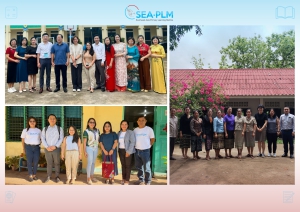
School personnel including SEA-PLM nominated school coordinator and test administrator, representative from the central, provincial, and district offices of the ministries of education, IQMs from ASEAN Secretariat, Korean Education Development Institute (KEDI), Korea Institute for Curriculum Evaluation (KICE) and the SEA-PLM regional secretariat in Lao PDR, Philippines, and Vietnam.
During the administration of the 2024 Main Survey in the three countries, representatives from esteemed organizations such as the SEA-PLM Regional Secretariat, ASEAN Secretariat, Korean Education Development Institute (KEDI), and Korea Institute for Curriculum and Evaluation (KICE) served as International Quality Monitors (IQM). Their presence was instrumental in maintaining rigorous standards and ensuring the high quality of data collection processes throughout the survey implementation..
The commencement of the SEA-PLM 2024 first batch of main surveys marks the initiation of a year-long data collection endeavor. As preparations unfold for the second batch, attention now turns to the remaining SEA-PLM participating countries, namely Cambodia, Malaysia, Myanmar, and Timor Leste.

|
|
|
|
|
|
|
|



–
For media inquiries and more information, please contact:
Rizky Ashar (This email address is being protected from spambots. You need JavaScript enabled to view it.), SEA-PLM Regional Secretariat
SEA-PLM Launches a New Policy Brief on Advancing Global Citizenship Education in Southeast Asia
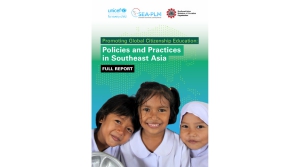
Many Southeast Asian countries have made Global Citizenship Education (GCED) a national priority, incorporating it into policies and practices in basic education. This implies a deliberate and structured effort to make GCED a significant and integral component of the educational system. The integration, however, varies considerably in scale and approach. These are the major findings of the latest policy brief “Promoting Global Citizenship Education: Policies and Practices in Southeast Asia” produced by the SEA-PLM Regional Secretariat
The report examines the implementation of GCED across various countries, assessing its integration into basic education. The findings offer valuable insights into national practices and strategies, highlighting GCED's role in enhancing equity and quality in education. This report serves as a guide for further exploring GCED's impact and potential in improving basic education in the region.
If you are a policymaker or educator in Southeast Asia looking to enhance your understanding of Global Citizenship Education (GCED) implementation, this policy brief offers invaluable insights and possibilities. Explore the details of the policy brief in the link below:
SEA-PLM spotlights equity issues at the SEAMEO Centres Policy Research Network (CPRN) Summit 2024
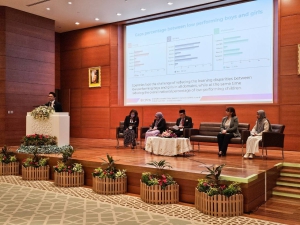
Bandar Seri Begawan, Brunei Darussalam | Rizky Ashar. The SEA-PLM highlighted its ongoing effort to address equity and quality issues in basic education at the recently concluded Centres Policy Research Network Summit 2024 held in Brunei Darussalam on 23-25 April. This year's summit gathered education policymakers, researchers, and stakeholders from across Southeast Asia to discuss how to foster inclusivity in key sectors and prepare the region for a future-ready world.
The Southeast Asia Primary Learning Metrics (SEA-PLM) programme shed light on the findings of the SEA-PLM 2019, focusing particularly on equity issues such as learning disparities between boys and girls, characteristics of low-performing readers, teacher workforce, and children’s well-being. Additionally, socioeconomic status exacerbates these disparities, with students from higher socioeconomic backgrounds performing better than those from lower socioeconomic backgrounds. Regarding teachers, the SEA-PLM report identifies numerous challenges, including the need for professional development, improved pedagogical practices, and enhanced instructional strategies. Furthermore, the SEA-PLM findings revealed an intrinsic relationship between creating safe school environments and the improvement of learning outcomes.
These insights stemmed from regional thematic studies aimed at promoting equitable and quality basic education in Southeast Asia. The SEA-PLM programme, as the region’s large scale student learning assessment and capacity building initiative, emphasized the importance of using robust data and evidence to inform educational policies and practices.
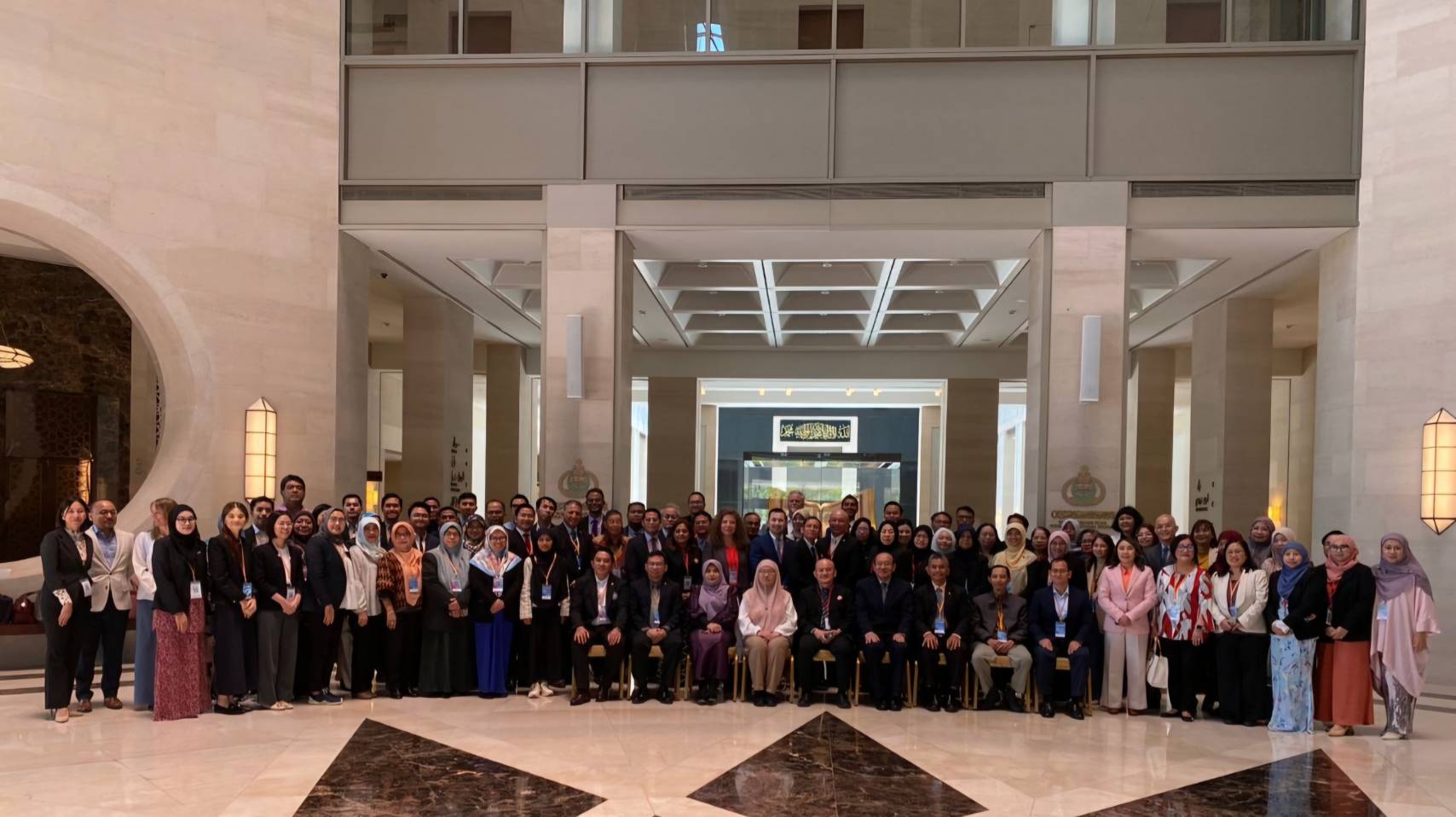
The SEAMEO Centres Policy Research Network (CPRN) Summit 2024 participants and speakers
Mr Alejandro Ibanez, SEA-PLM Project Manager, encouraged the participants to leverage SEA-PLM datasets, methodologies, and tools to advance research and policy initiatives in basic education. He underscored the importance of regional collaboration in tackling the learning crisis and challenges related to education quality and inequities within basic education across Southeast Asia. As the participating countries continue to collaborate through programmes such as SEA-PLM, the region gets closer in accelerating foundational learning through a a fair and inclusive education for every child.
Navigating the Future: SEA-PLM Strategic Planning Workshop to chart the vision for Southeast Asia’s basic education
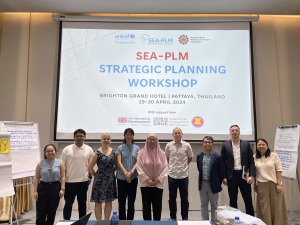
Pattaya, Thailand | Rizky Ashar & Alejandro Ibanez. The SEA-PLM Regional Secretariat, alongside the programme Co-chairs from the SEAMEO Secretariat, represented by its Director Datuk Dr Habibah Abdul Rahim, and UNICEF EAPRO’s Regional Education Advisor Ms Mitsue Uemura, gathered to craft the next strategic plan for the Southeast Asia Primary Learning Metrics (SEA-PLM) programme, underpinning its continuous growth and impact on learning outcomes and educational policies throughout Southeast Asia on April 29-30, 2024.
With funding support from the UK International Development through the ASEAN-UK SAGE programme, the workshop brought together key stakeholders to engage in comprehensive discussions, review past achievements, and set the way for future developments. The workshop underscored SEA-PLM’s unwavering commitment to enhancing educational quality and equity across the region.
|
|
|


The SEA-PLM Regional Secretariat and its programme co-chairs from SEAMEO Secretariat and UNICEF discussed the strategy development and sustainability framework.
Facilitated by Mr Li Kai Chen, a seasoned consultant with prior experience at McKinsey, the two-day planning workshop in Pattaya was designed to review the current strategic plan while shaping a forward-looking agenda. Through comprehensive discussions, the workshop assessed the strengths, weaknesses, opportunities, and threats of the current program, providing a robust foundation for future enhancements. Visioning sessions on strategy development and sustainability framework facilitated in-depth conversations among participants, leading to the review and development of the revitalised Theory of Change and sustainability framework to ensure alignment with regional educational commitments. Furthermore, the workshop prioritised the identification of key areas and the development of initial work plans for new program pillars.
The 2021 - 2025 plan laid a strong foundation, and it is an important step to make continuous adaptation and improvement. The new plan will build on past successes, address existing gaps, and ensure the SEA-PLM programme remains relevant and effective in the evolving educational landscape.
Looking ahead, the forthcoming strategic plan will build on the successes and lessons learned from the current and previous cycles. It will navigate challenges posed by post-COVID-19 context, while steadfastly accelerating the advancement of foundational learning in Southeast Asia. The insights from the workshop will inform the development of the strategic note, laying the foundation for the sustainability of the programme. With this direction, the outcomes of the workshop will entail enhancing the regional structures of the programme to better align with the long term vision in elevating basic education quality in Southeast Asia.