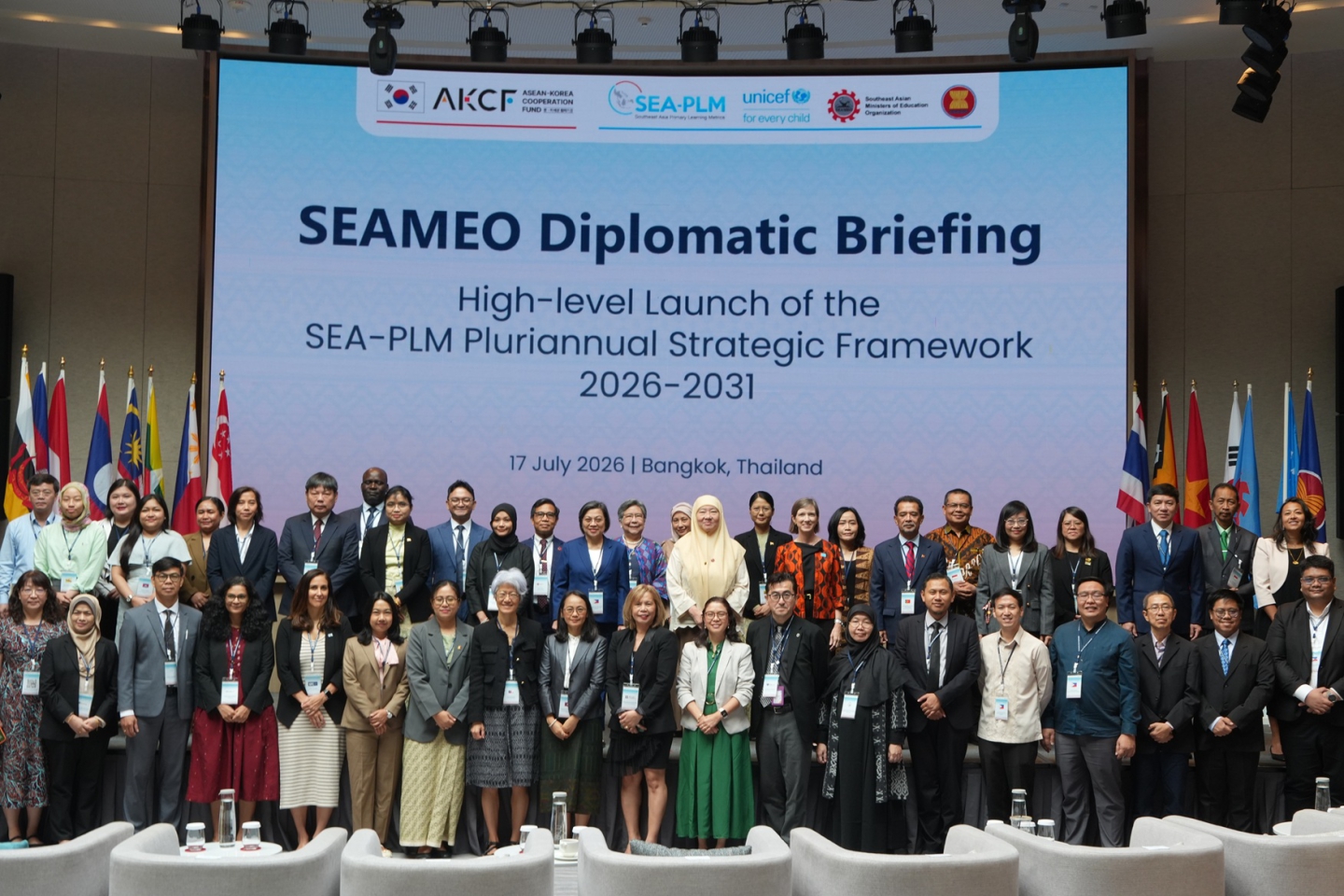
Bangkok, July 2026 - Southeast Asian education leaders are using SEA-PLM 2024 evidence to make data-driven decisions about foundational learning: where to focus support, how to strengthen teaching, and how to track whether reforms improve children’s skills. At the SEAMEO Diplomatic Briefing in Bangkok on 17 July 2026, representatives of six countries described both the priorities the results have brought into focus and the policies they are pursuing. The common challenge is to turn assessment findings into decisions that reach classrooms. Countries are using the evidence to identify learners and schools needing additional support, examine how curricula and teacher development work in practice, and monitor progress over time. Their approaches differ, but each points to a concrete policy use for better learning outcomes.
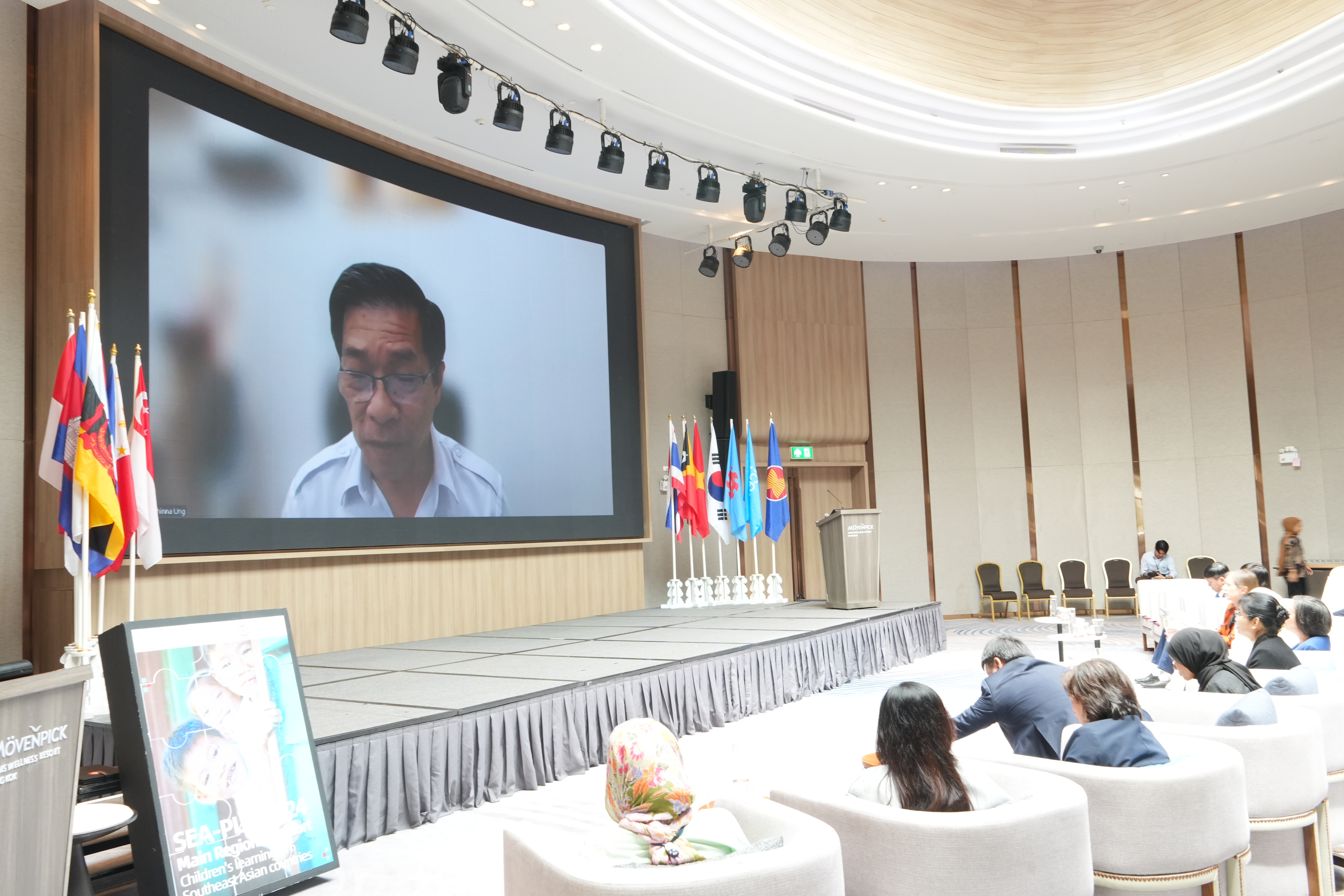 |
In Cambodia, Mr Ung Chinna, Director General of the Directorate General of Education, said the SEA-PLM 2024 findings will help strengthen early-grade reading and mathematics, improve curriculum implementation and teaching, and direct support to underachieving students and schools. He also highlighted the value of stronger national assessment capacity and peer learning exchange with other countries. |
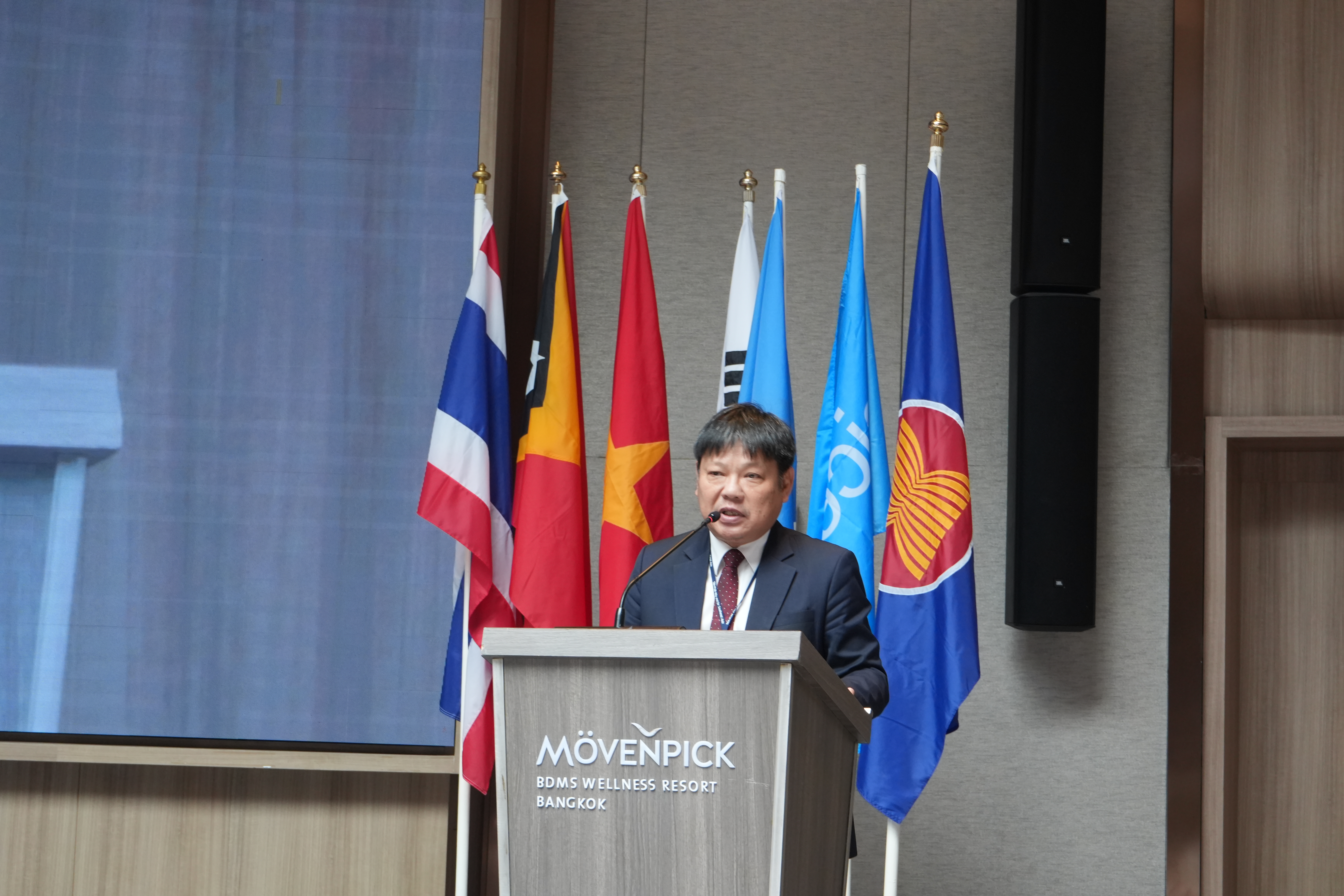 |
Lao PDR is connecting learning evidence with changes to teacher preparation and instructional time. Mr Panya Chanthavong, Director General of the Department of Education Quality Assurance, described the consolidation of eight teacher colleges and four university faculties of education into a National University of Teacher Education, continued professional development, and the expansion of primary education from five to six years. SEA-PLM complements national monitoring and can help assess whether these reforms translate into stronger learning. |
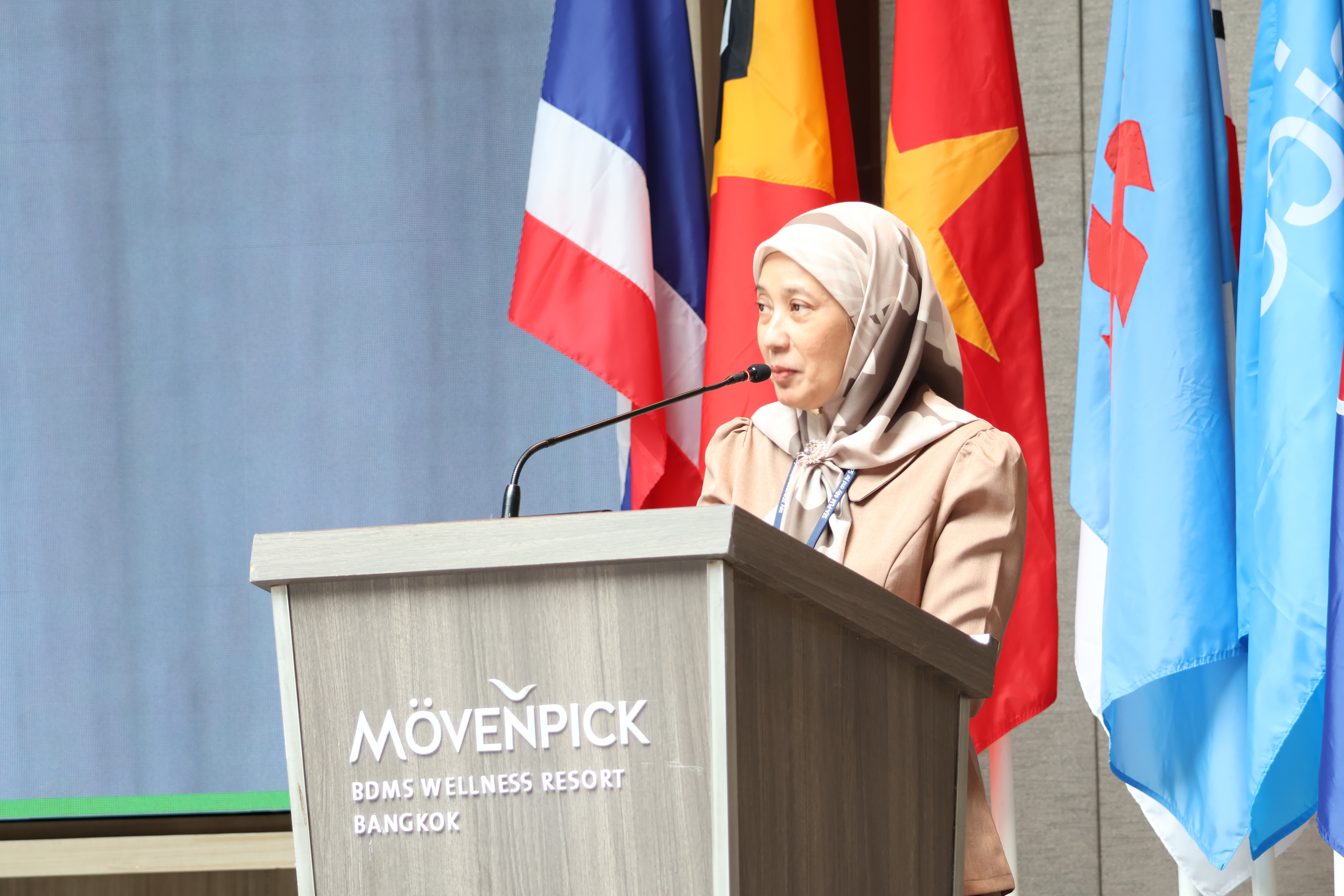 |
In Malaysia, SEA-PLM 2024 has informed the priority given to foundational learning in the Malaysia Education Blueprint 2026–2035, according to Dr Nor Saidatul Rajeah Binti Zamzam Amin, Director of the Educational Policy Research Division. The country is setting national targets, identifying literacy and numeracy gaps earlier, and working towards minimum proficiency for all students by Year 2. She also pointed to the Foundational Literacy and Numeracy Expertise Programme, which uses artificial intelligence to support assessment item development and classroom pedagogy. |
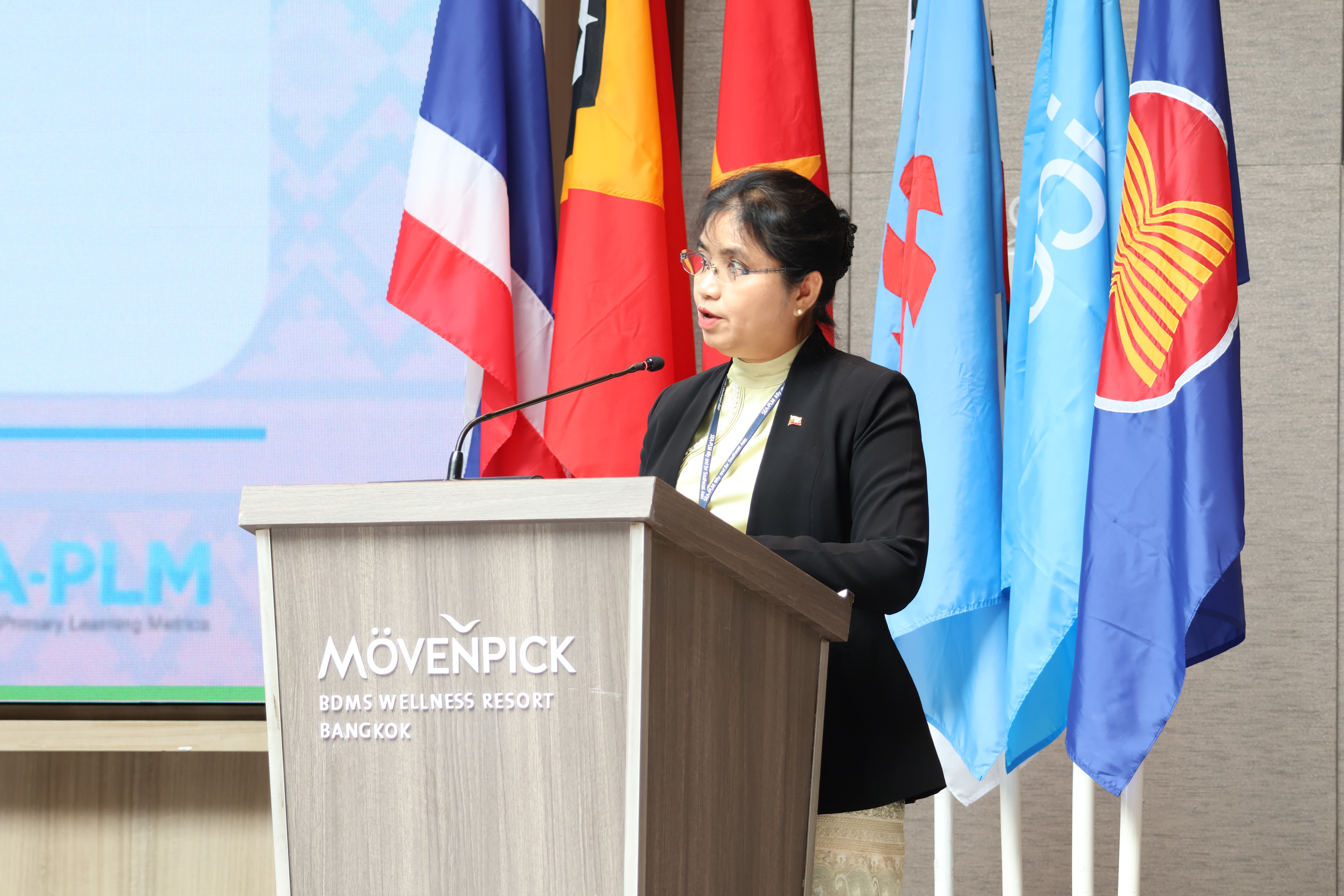 |
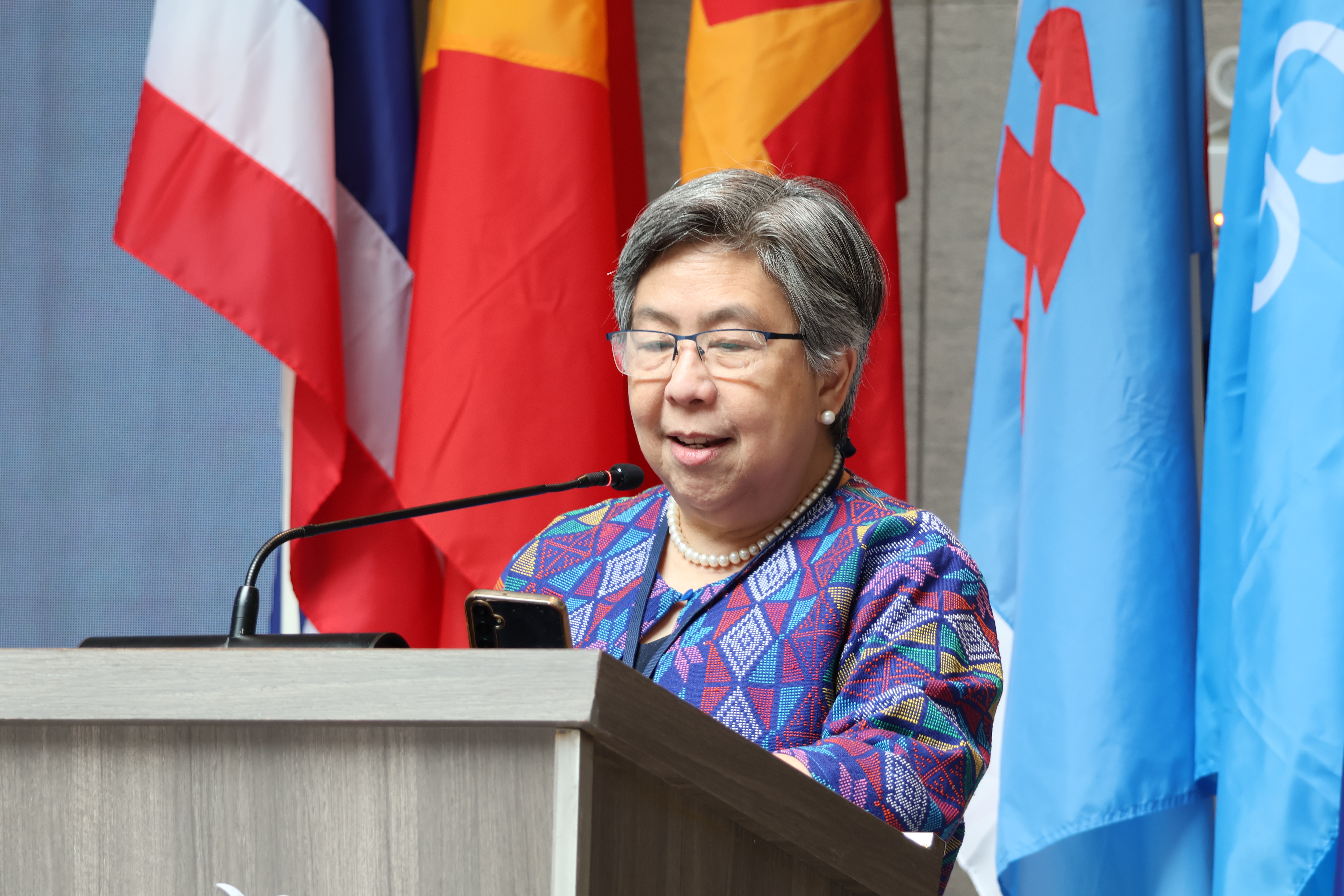
Myanmar is using the findings to monitor progress under its National Education Strategic Plan and identify equity gaps that remain despite improvements in the 2024 results. Dr Khin Thidar, Director General of the Department of Education Research, Planning and Training, identified curriculum reform, specialised teacher guides, stronger in-service training in literacy and numeracy, and competency-based assessment items as priorities. |
 |
In the Philippines, Dr Carmela Oracion, Undersecretary for Learning Systems, said the Department of Education plans to use SEA-PLM evidence to examine the ARAL programme and MATATAG curriculum and identify implementation gaps. Findings can help direct attention to socioeconomically disadvantaged learners and those in geographically isolated areas, where broad national averages may conceal the greatest needs. |
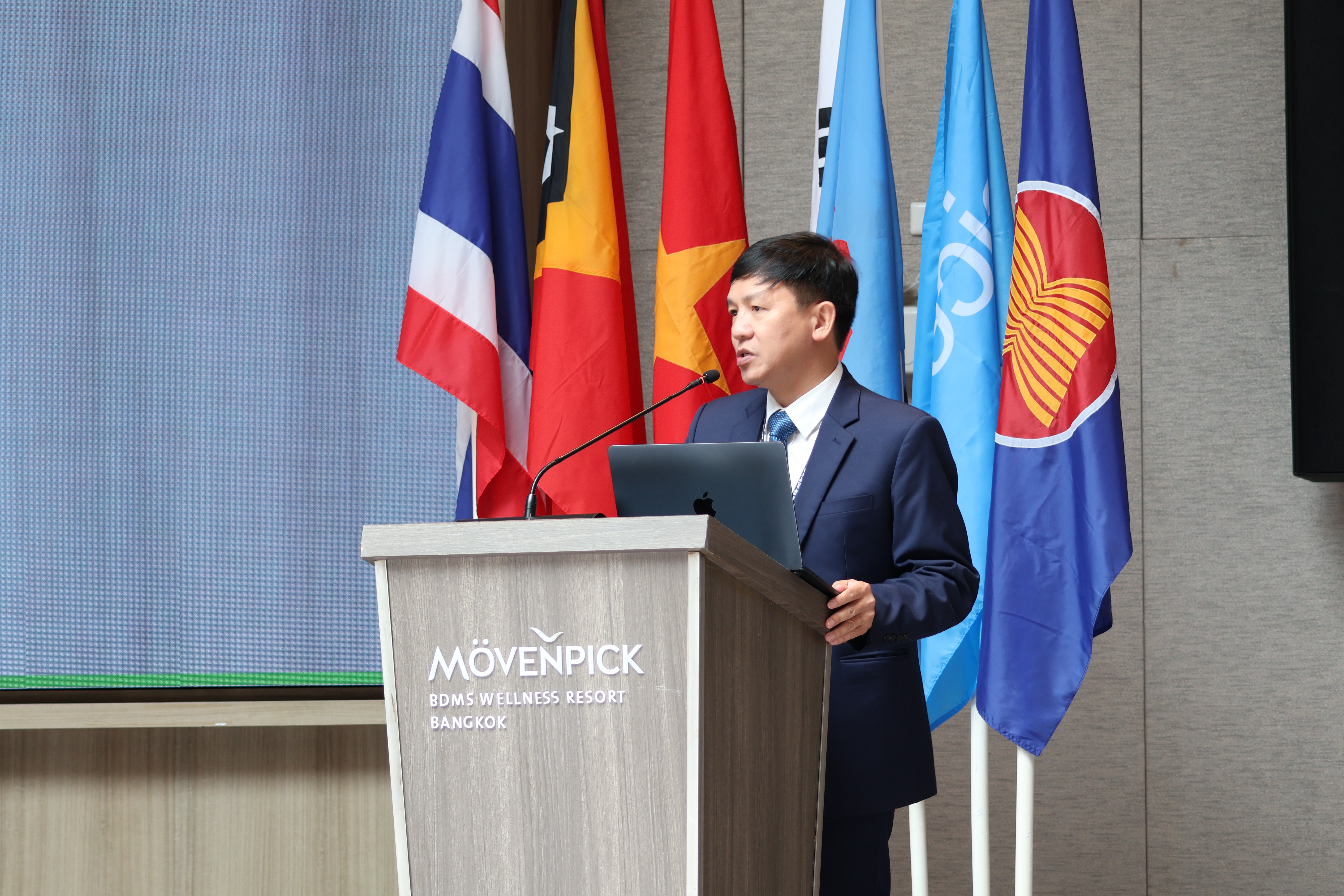 |
Viet Nam is using SEA-PLM for longer-term monitoring and policy review. Dr Khanh Pham Quoc, Deputy Director General of the Viet Nam Educational Quality Management Agency, said findings have contributed to the competency-based general education curriculum and reviews of primary education policy. Teacher data are informing differentiated professional development, with assessment increasingly used to improve learning, including higher-order thinking and creativity. |
The policy test now is implementation. Governments can use successive SEA-PLM results alongside national and local evidence to check whether reforms reach the learners most at risk and whether classroom practice changes. The SEA-PLM Pluriannual Strategic Framework 2026–2031, launched at the briefing, offers a regional platform for that work: generating comparable evidence, building national capacity, and supporting its use in education decisions.
–
The Phase 2: Monitoring and Developing ASEAN Basic Education: The Southeast Asia Primary Learning Metrics (SEA-PLM) Programme is supported by the Government of the Republic of Korea through the ASEAN-Korea Cooperation Fund (AKCF). Its content is the sole responsibility of the SEA-PLM Regional Secretariat and does not necessarily reflect the views of the AKCF.
|
|
|
|
|
|
|
|